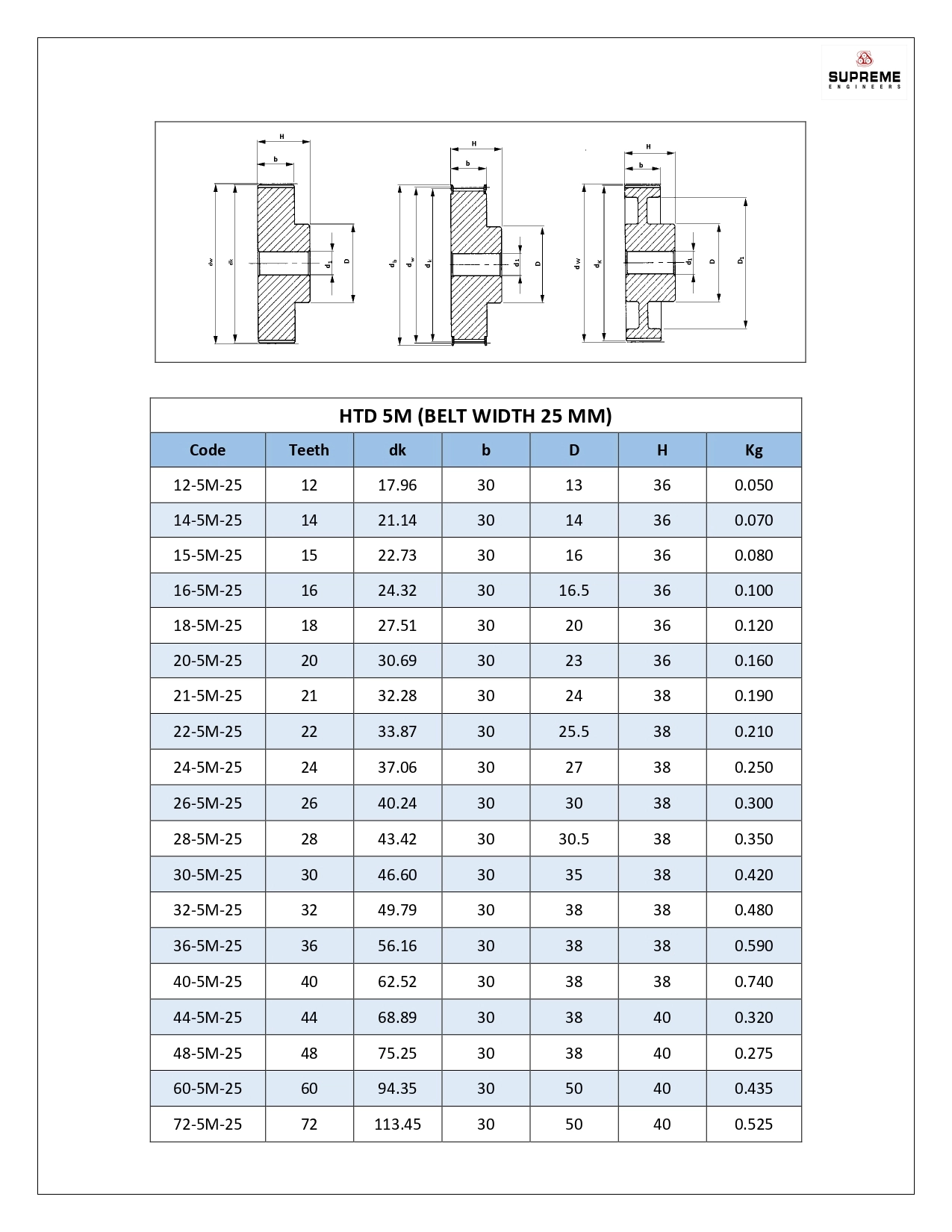
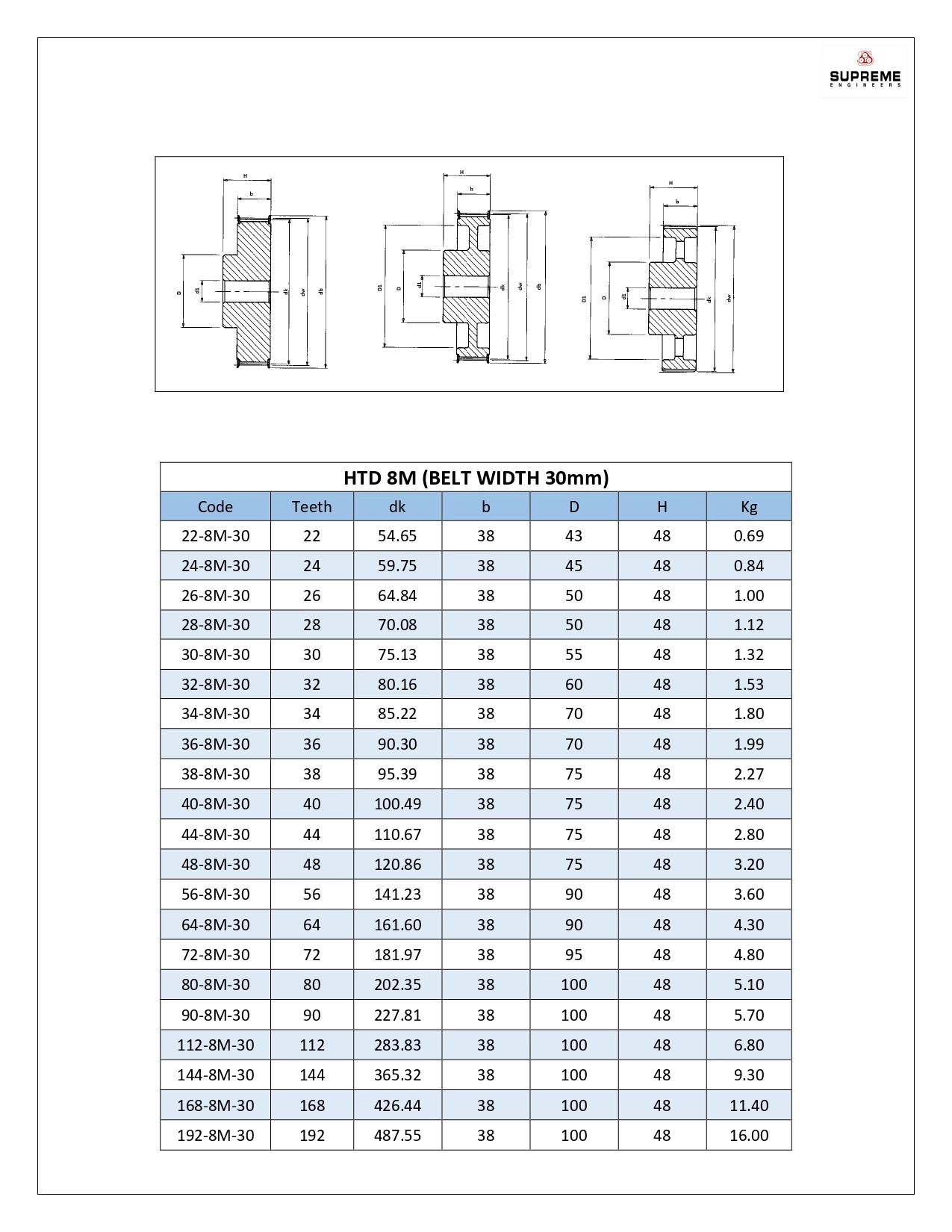
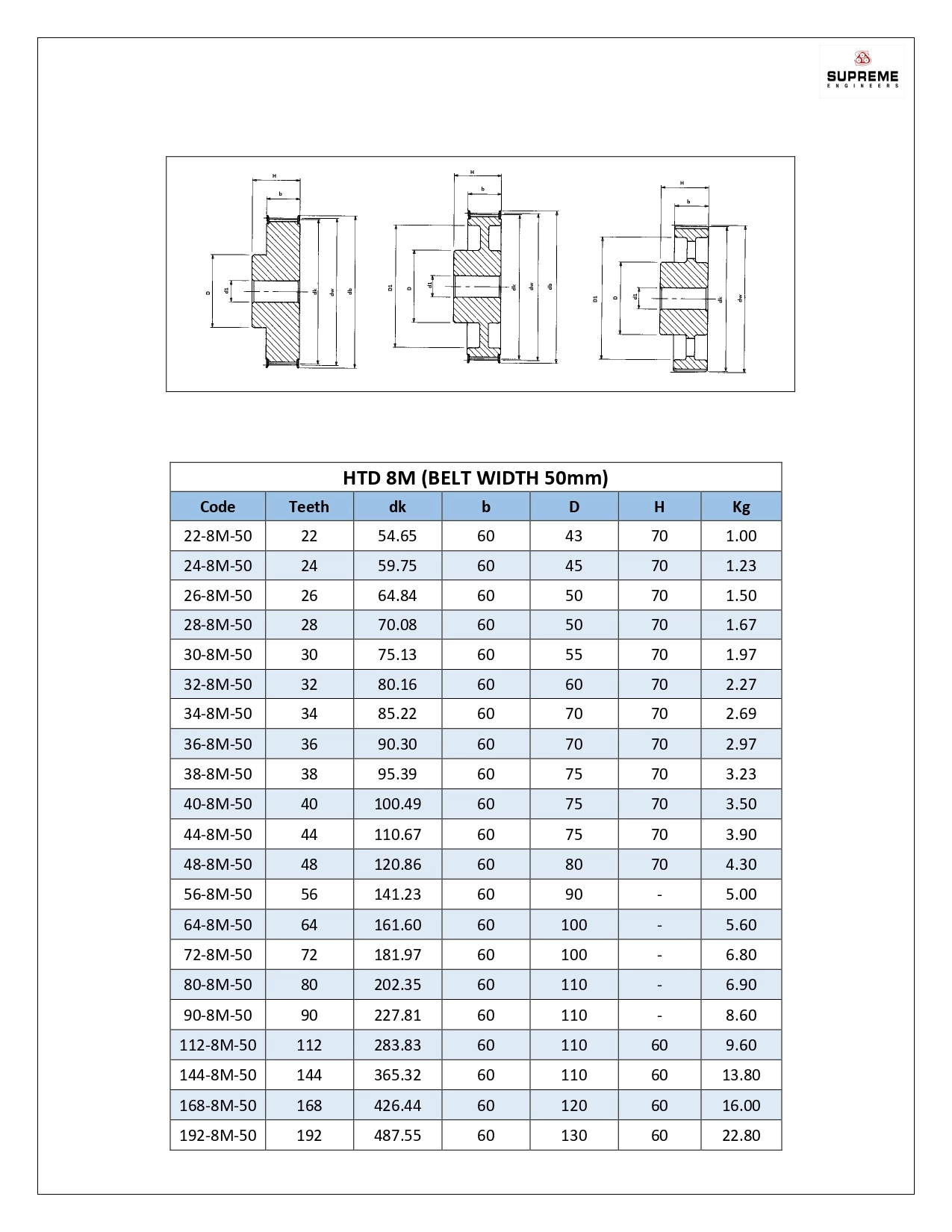
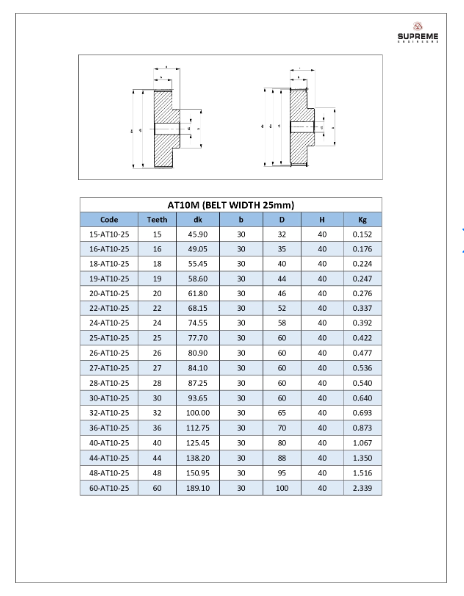
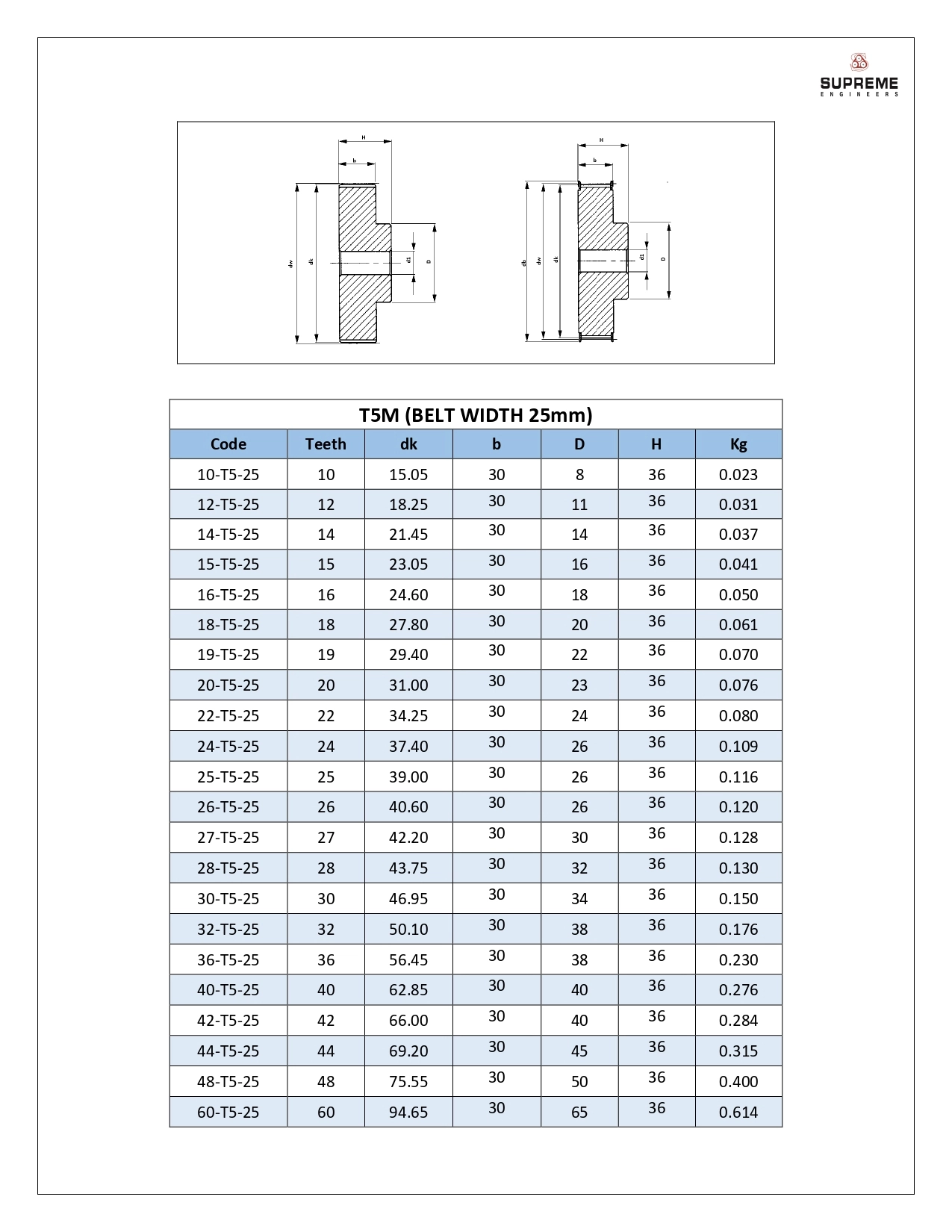
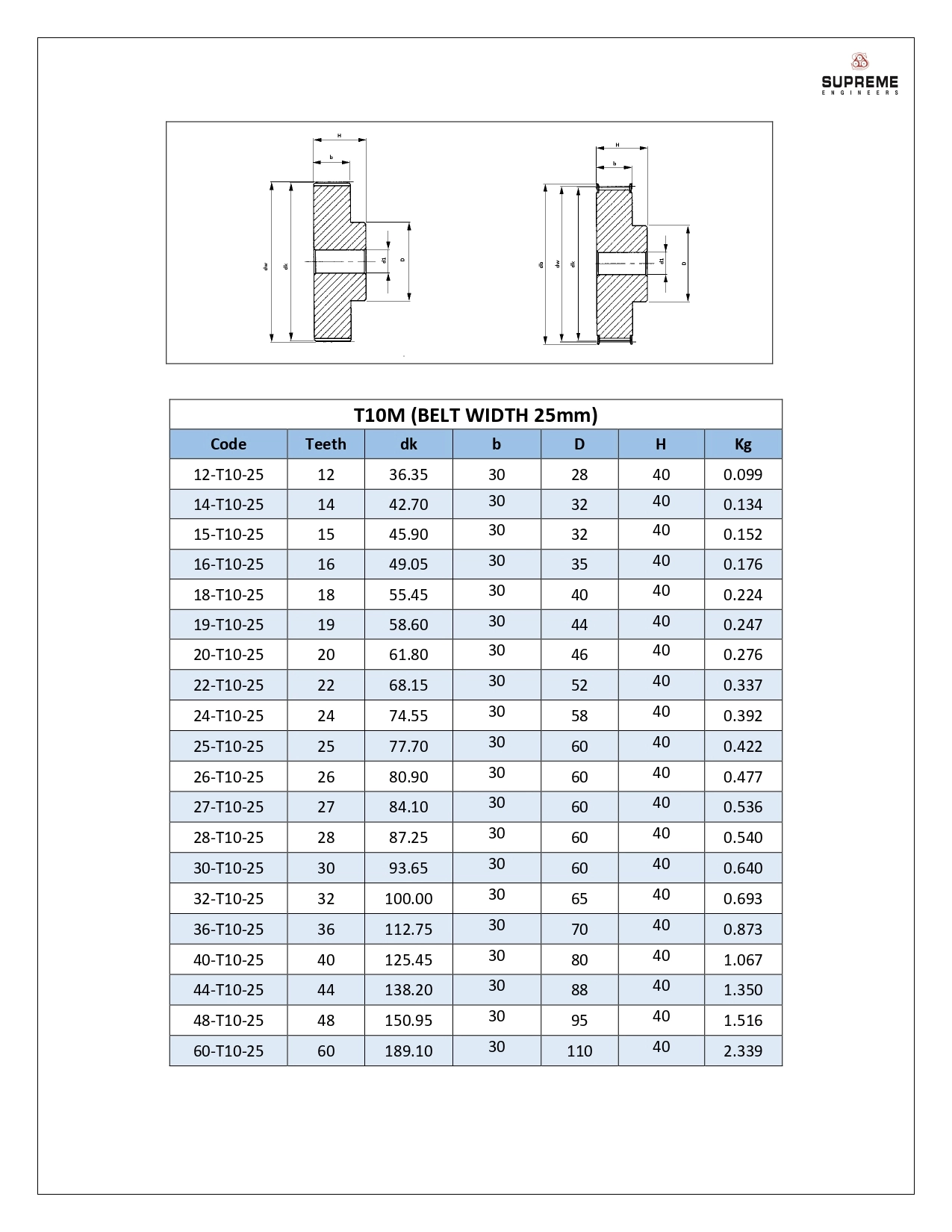
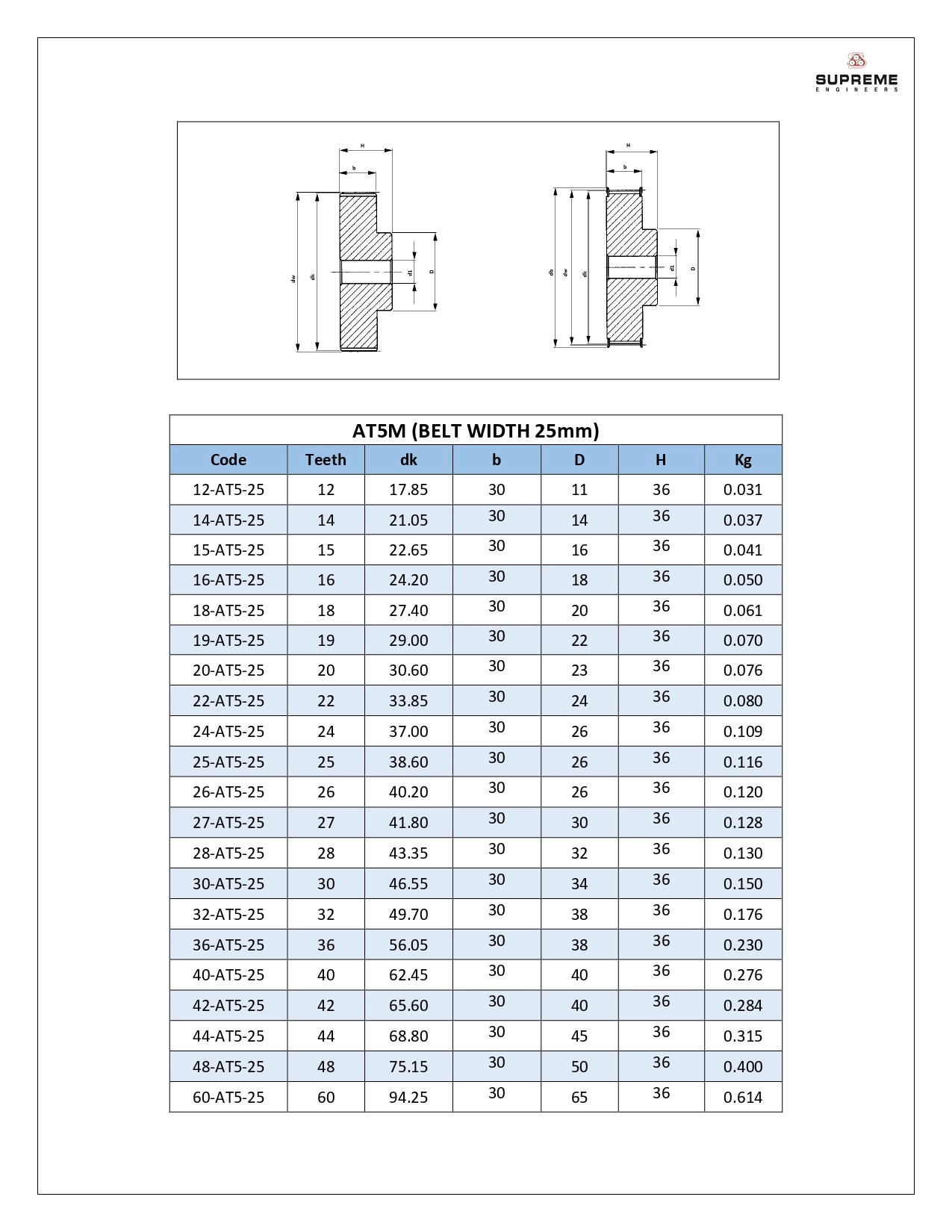
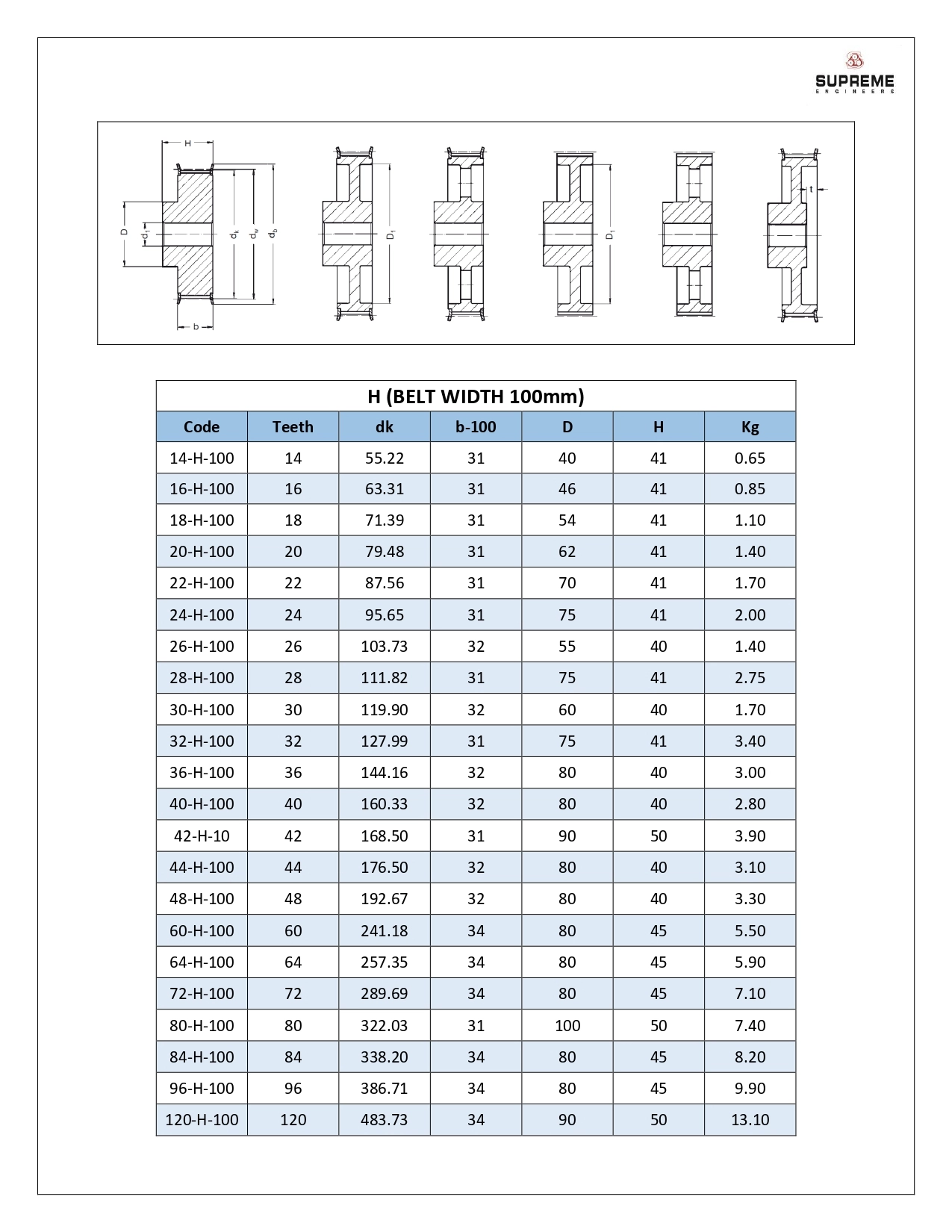
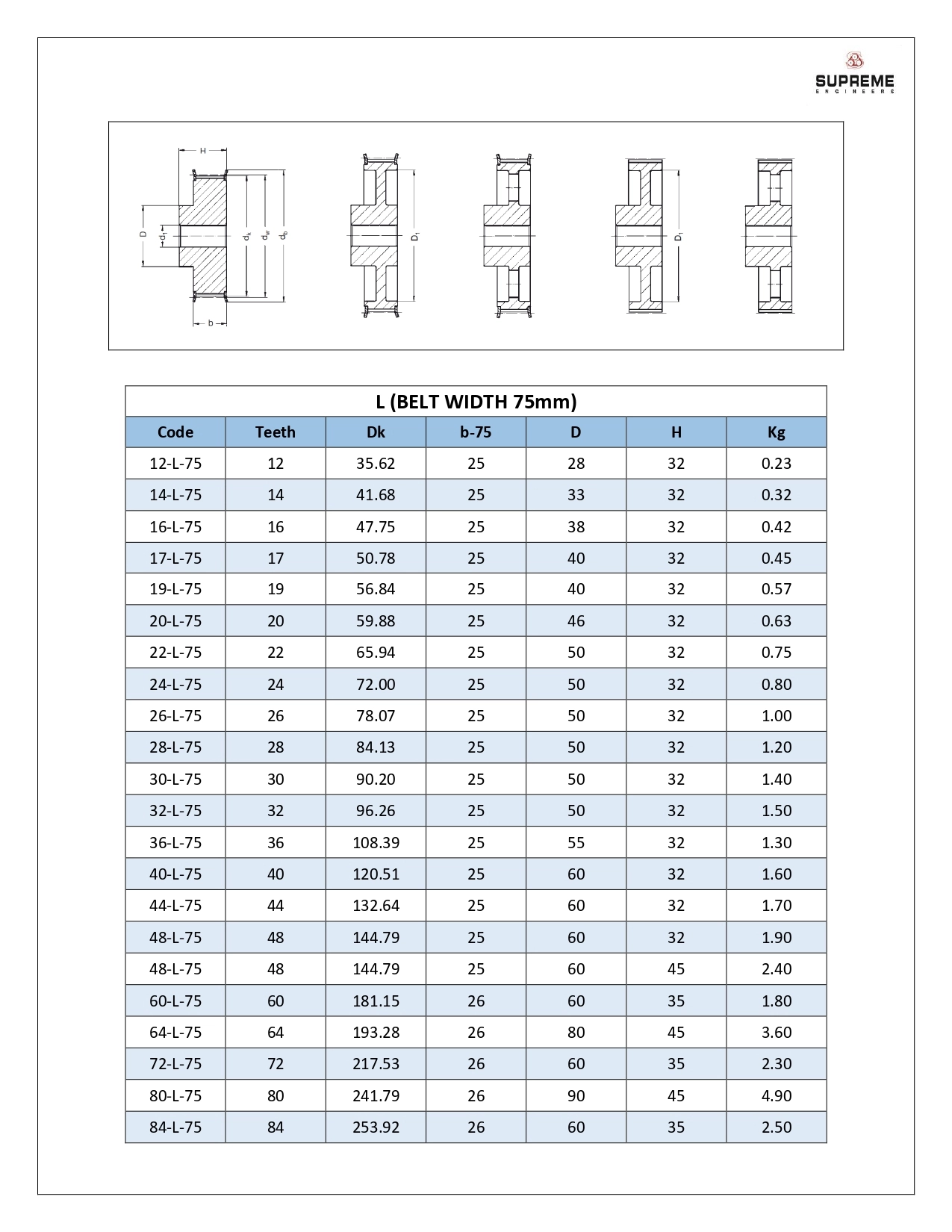
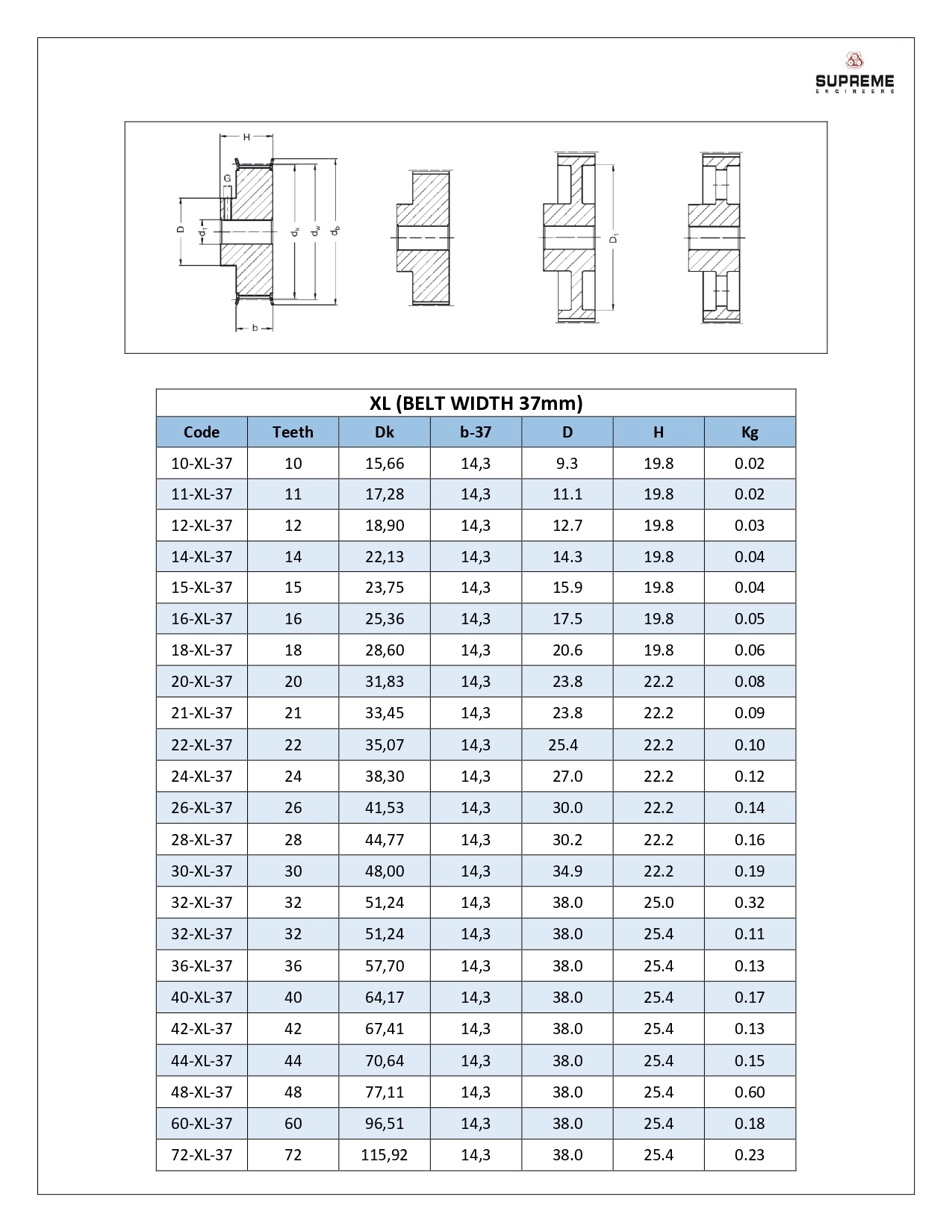
ABOUT TIMING PULLEYS
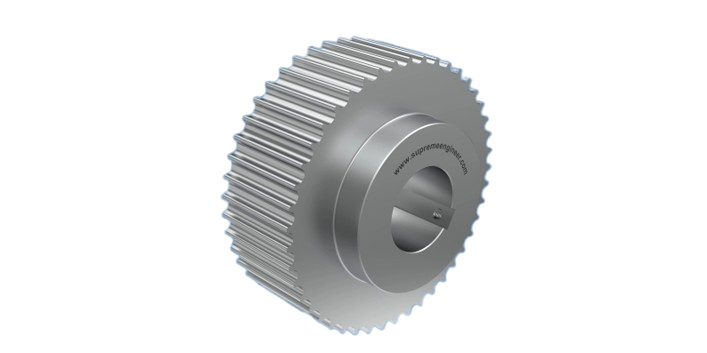
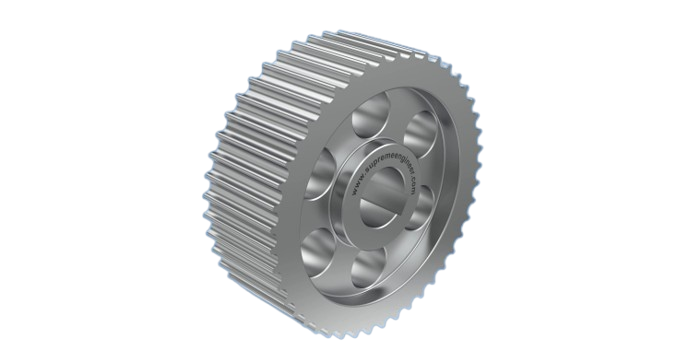
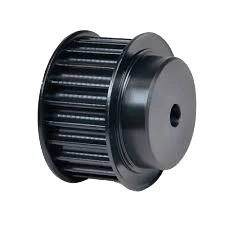
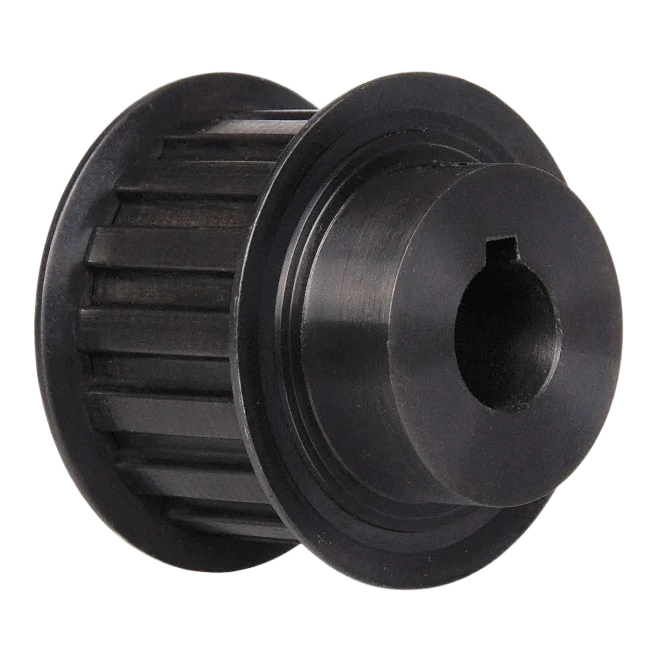
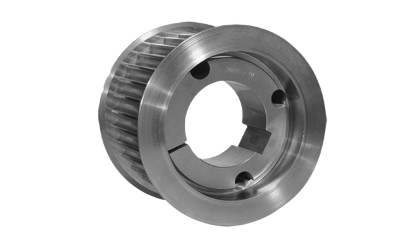
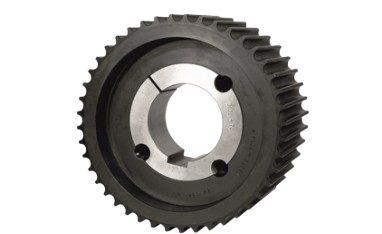
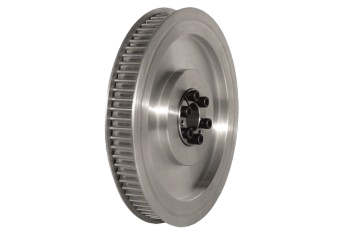
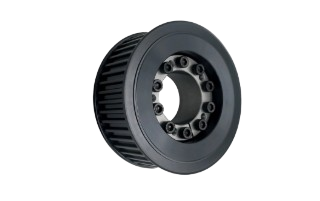
A timing pulley is a type of pulley that is specially designed with teeth around its circumference. These teeth mesh with the teeth of a timing belt, also known as a synchronous belt. The primary purpose of a timing pulley and timing belt system is to transfer rotational motion and power efficiently between shafts, ensuring precise timing and synchronization between components.
According to Torque Transmission, “U.S. Rubber developed the first timing pulleys or synchronous pulleys and belts in the 1940s.”
Here are some key features and uses of timing pulleys:
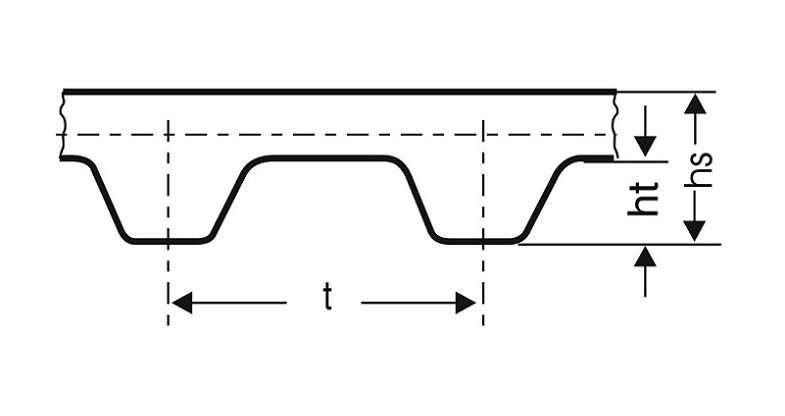
- Teeth and Belt Compatibility :Timing pulleys have teeth that match the pitch (spacing) and profile of the timing belt they are intended to work with. This ensures a positive engagement between the pulley and the belt, preventing slippage.
- Precise Motion Control : They are used in applications where accurate timing and synchronization of shaft rotation are critical. This includes various industries such as automotive, robotics, printing, and manufacturing equipment.
- Material and Construction : Timing pulleys are typically made from materials such as aluminum, steel, or plastics like nylon. The choice of material depends on factors such as load requirements, operating environment, and cost considerations.
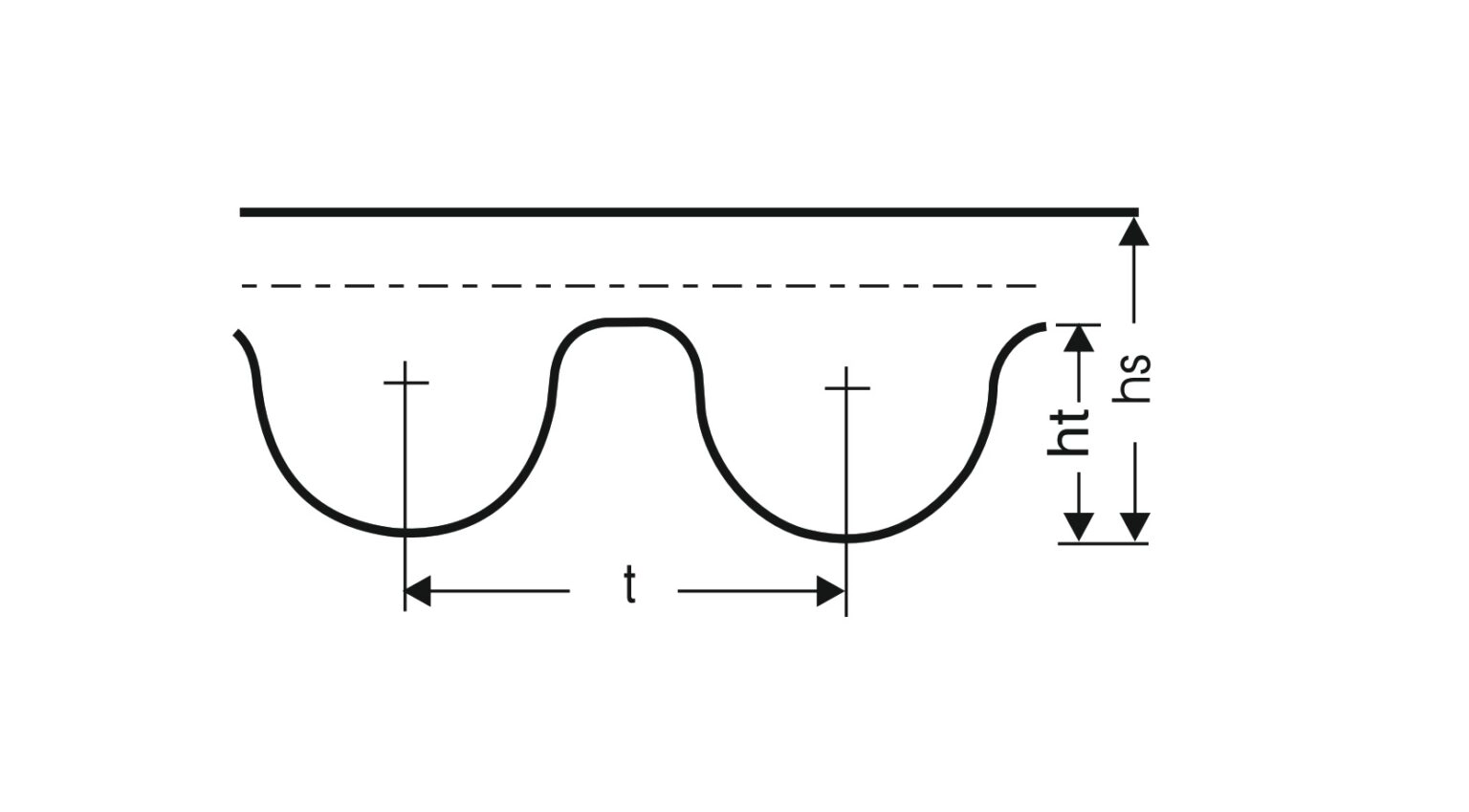
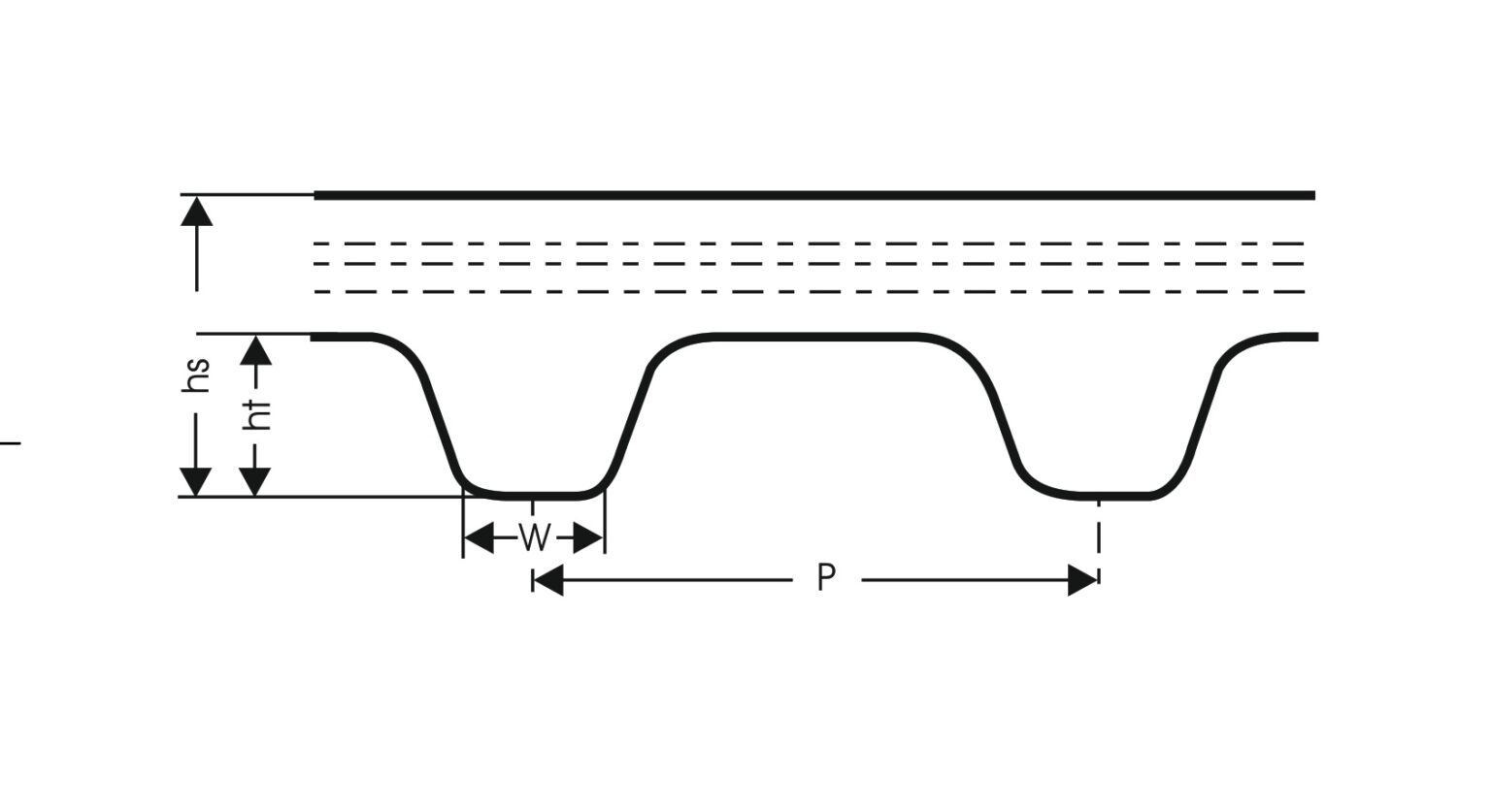
- Types of Teeth : Timing pulleys can have different tooth profiles, such as trapezoidal (for classical timing belts) or curvilinear (for timing belts with a curvilinear tooth profile). The type of tooth profile chosen depends on the specific requirements of the application.
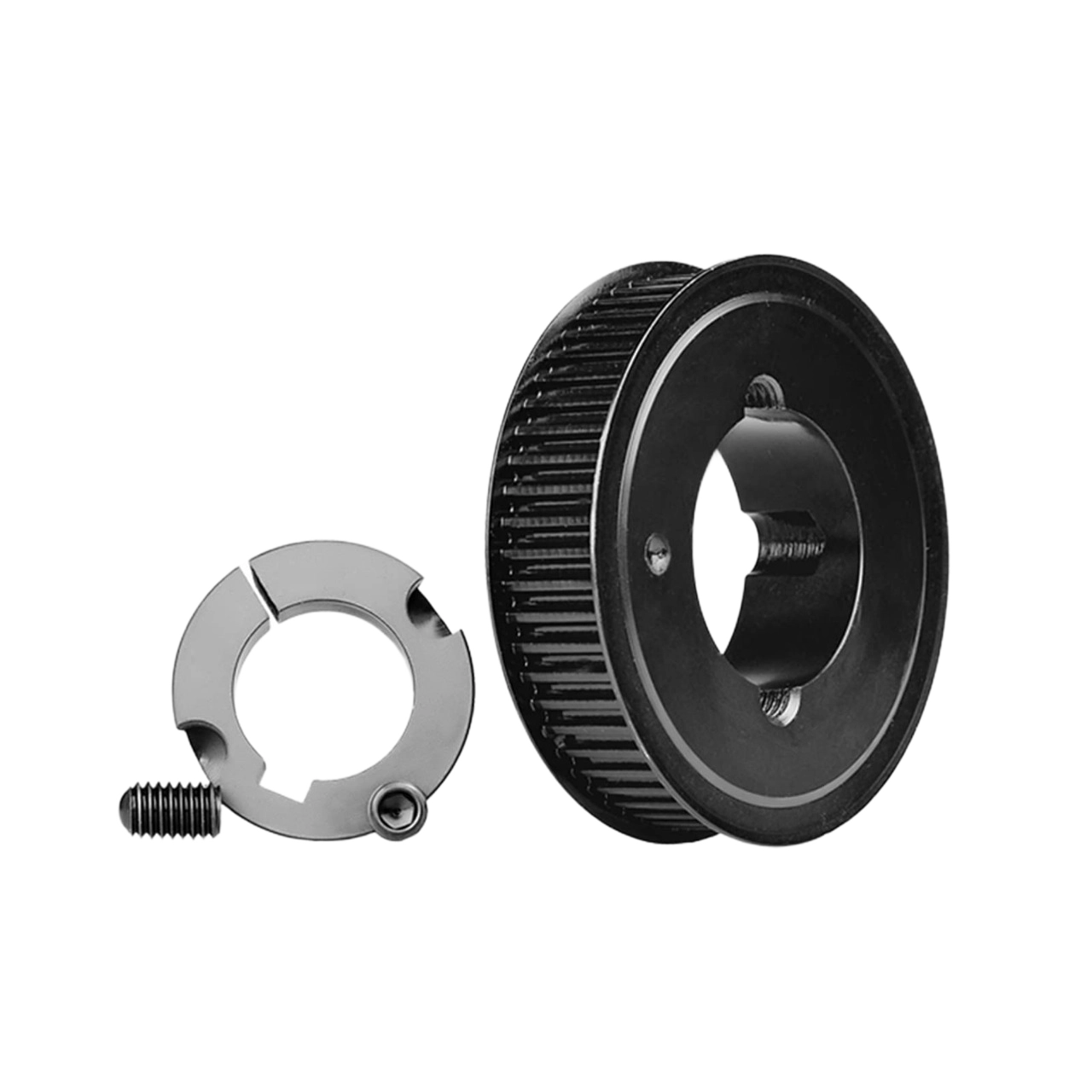
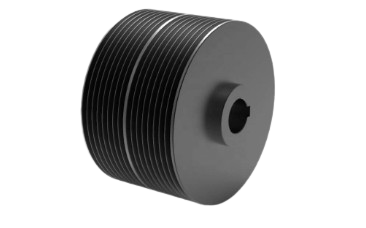
- Sizes and Configurations :They come in various sizes (diameters and widths) and configurations (such as single- groove, double-groove, or multi-groove) to accommodate different power transmission needs and space constraints.
- Overall, timing pulleys play a crucial role in mechanical systems where precise timing, reliability, and efficiency are essential. They are integral components in ensuring smooth and synchronized operation of machinery and equipment.
- Supreme Engineers offers top-quality solutions to enhance your machinery’s performance.
APPLICATION OF TIMING PULLEYS
Timing pulleys find application in various industries and mechanical systems where precise timing, synchronization, and efficient power transmission are required. Below are some key applications of timing pulleys across different sectors:
1. Automotive Engines :Timing pulleys and belts are used in internal combustion engines to synchronize the rotation of the crankshaft and camshaft(s). This ensures proper timing of the engine's intake and exhaust valves.
2. Industrial Machinery :They are extensively used in industrial machinery such as conveyor systems, packaging equipment, and printing presses. These applications require precise timing and synchronization to ensure consistent operation and product quality.
3. Robotics :Timing pulleys and timing belts are used in robotic systems for precise movement and control of robotic arms and other mechanical components. They help in achieving accurate positioning and motion control.
4.Textile Machinery :In textile manufacturing equipment, timing pulleys are used to control the movement of yarn feeders, rollers, and other components with precise timing to maintain proper tension and synchronization.
5. Medical Equipment :Timing pulleys play a critical role in medical devices and diagnostic equipment where precise movement and synchronization are necessary for accurate testing, imaging, and treatment processes.
6.Food Processing Equipment :They are used in food processing machinery for tasks such as conveying, sorting, and packaging, where hygiene, reliability, and precision are essential.
7.3D Printers :Timing pulleys and belts are used in 3D printing machines to move the print head and control the positioning of the print bed with high precision.
8.Textile Machinery :In office printers and large-scale printing presses, timing pulleys ensure precise movement of paper feed mechanisms and print heads for accurate printing.
Overall, the versatility of timing pulleys makes them integral components in various mechanical systems across industries, contributing to efficient operation, reliability, and precise control of machinery and equipment.
Looking for top-quality timing pulleys? Contact us today for expert guidance and the best solutions tailored to your needs!
ADVANTAGES OF TIMING PULLEYS
Timing pulleys offer precise, reliable power transmission due to their toothed belts that perfectly mesh with pulley grooves, ensuring zero slippage and consistent performance.
COMPARISON:
| DRIVE FACTORS |
CHAIN |
V-BELT |
GEARS |
FLAT |
TIMING BELT |
| SLIPPAGE & BACKLASH |
COMP |
HIGH |
MED |
HIGH |
NIL |
| NOISE & VIBRATION |
HIGH |
MED |
HIGH |
MED |
LOW |
| SPACE & WEIGHT |
MORE |
MORE |
MORE |
MORE |
LESS |
| REQUIRE LUBE SYSTEM |
YES |
NO |
YES |
NO |
NO |
KEY FEATURES:
- ✔ Precision Machining – CNC-cut teeth for zero backlash and smooth engagement
- ✔ Material Options – Aircraft-grade aluminum (lightweight) or hardened steel (heavy-duty)
- ✔ Customization – Available in MXL, XL, L, HTD, GT2/GT3 profiles with custom bores
- ✔ Global Compliance – Metric and imperial sizes for worldwide compatibility
PERFORMANCE:
- Industrial automation
- 3D printers & CNC machines
- Packaging machinery
FREQUENTLY ASKED QUESTIONS
1. Why is my timing pulley system slipping, and how can I fix it?
Slippage occurs when the timing belt and pulley are not properly aligned or if the belt is worn out. Ensure the belt tension is correct, the pulley teeth are in good condition, and there is no excessive wear. Regular maintenance can prevent this issue.
2. Can I use any timing belt with my timing pulley?
No, Timing belts and pulleys must match tooth profiles and pitch, as incorrect use can cause slippage, premature wear, and reduced efficiency. Always consult manufacturer specifications before replacing a belt.
3. How can I improve the lifespan of timing pulley system?
To extend the lifespan of a timing pulley system, follow these maintenance tips: regularly inspect for wear, keep the system clean, ensure proper belt tension, and use high-quality pulleys and belts.
4. What are the benefits of using timing pulleys over other drive systems?
Timing pulleys offer advantages over other drive systems, including zero slippage, accurate power transmission, lower noise, vibration, no lubrication, and a lighter, more compact design.
5. Can timing pulleys be used in high-speed applications?
Yes! Timing pulleys are ideal for high-speed applications like automotive engines, robotics, and 3D printers because they eliminate slippage, provide accurate synchronization, and reduce energy loss.
7. What is a timing pulley used for?
Timing pulleys synchronize rotational movement in machinery, ensuring precise power transmission without slippage. Commonly used in CNC machines, 3D printers, conveyor systems, and robotics.
8. Can I get a custom-sized timing pulley?
Yes, we offer custom bore sizes, teeth profiles, and materials.
9. Can I get a non-standard tooth profile or bore size?
Yes, we offer custom bore sizes, teeth profiles, and materials.
10. Aluminum vs. Steel Timing Pulleys—which is better?
● Aluminum: Lightweight, corrosion-resistant, ideal for high-speed applications.
● Steel: Superior strength, best for heavy-load industrial use.
11. Do you offer international shipping?
Yes, we ship globally with competitive rates & fast delivery
12. Can I use an XL-profile pulley with an HTD belt?
No! Mismatched profiles cause belt slippage and premature wear. Always pair:
● XL belts → XL pulleys
● HTD belts → HTD pulleys
13. How do I calculate the correct pulley teeth count for speed reduction?
Use this formula:
(Driver RPM × Driver Teeth) ÷ Driven Teeth = Driven RPM
Example: A 20-tooth motor pulley at 1,000 RPM driving a 40-tooth pulley = 500 RPM output.
14. Why does my timing belt squeak?
Common causes:
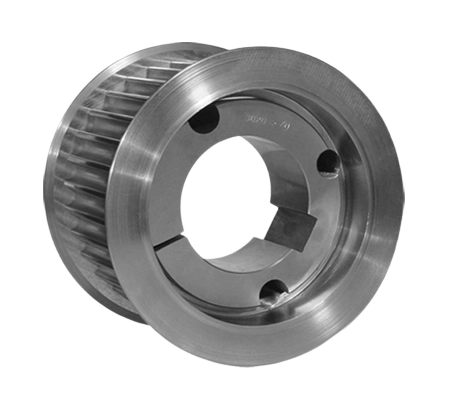
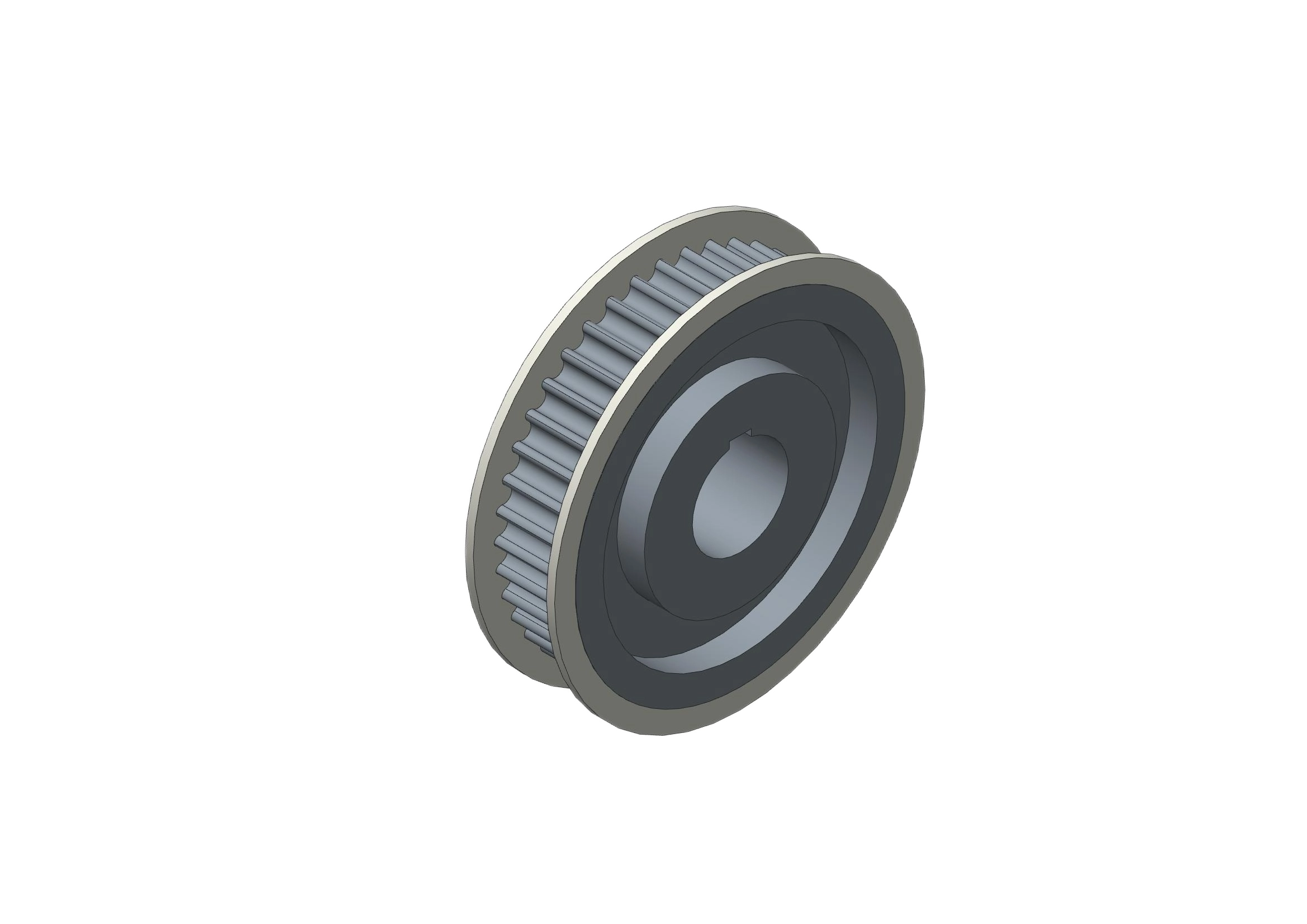
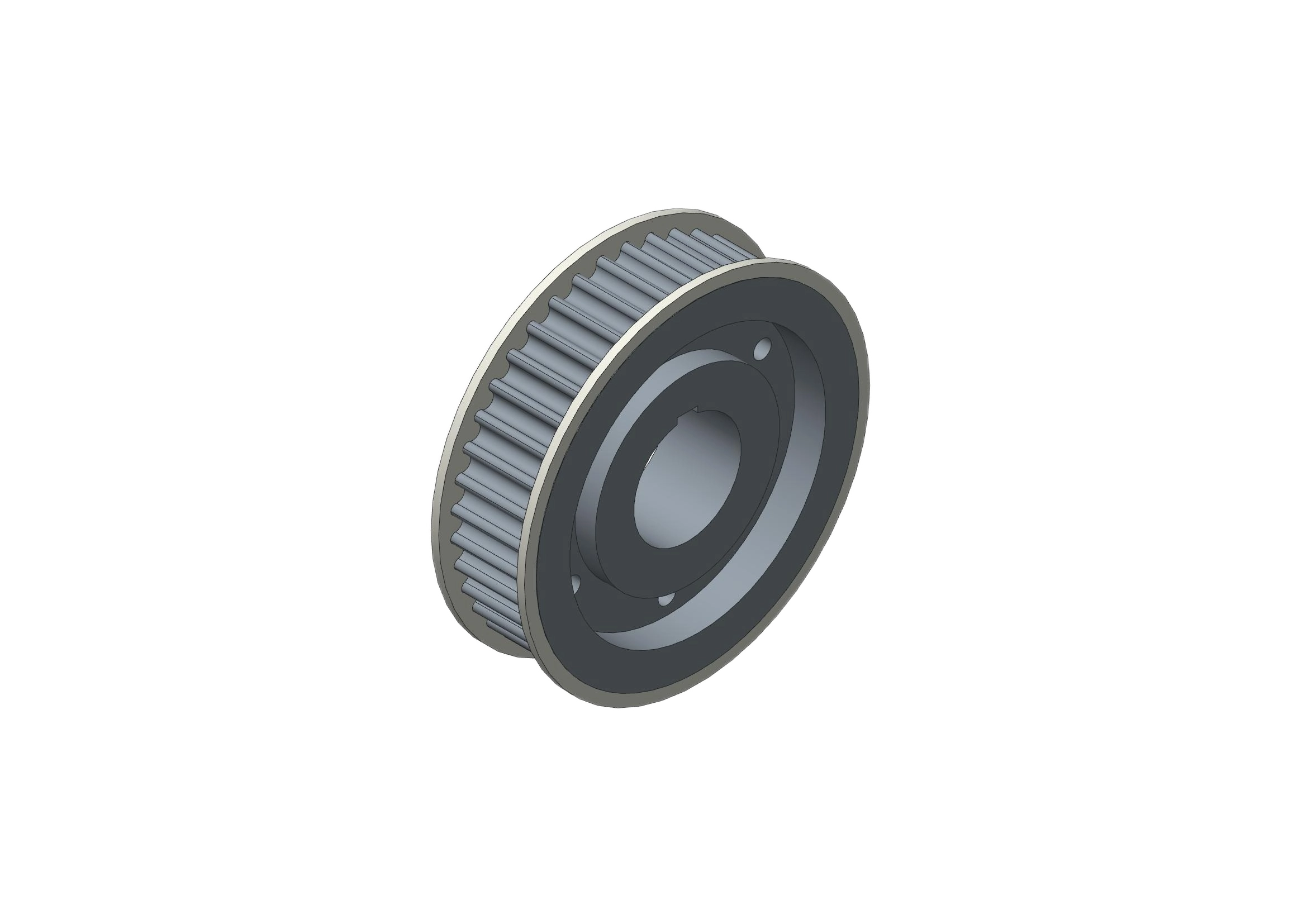
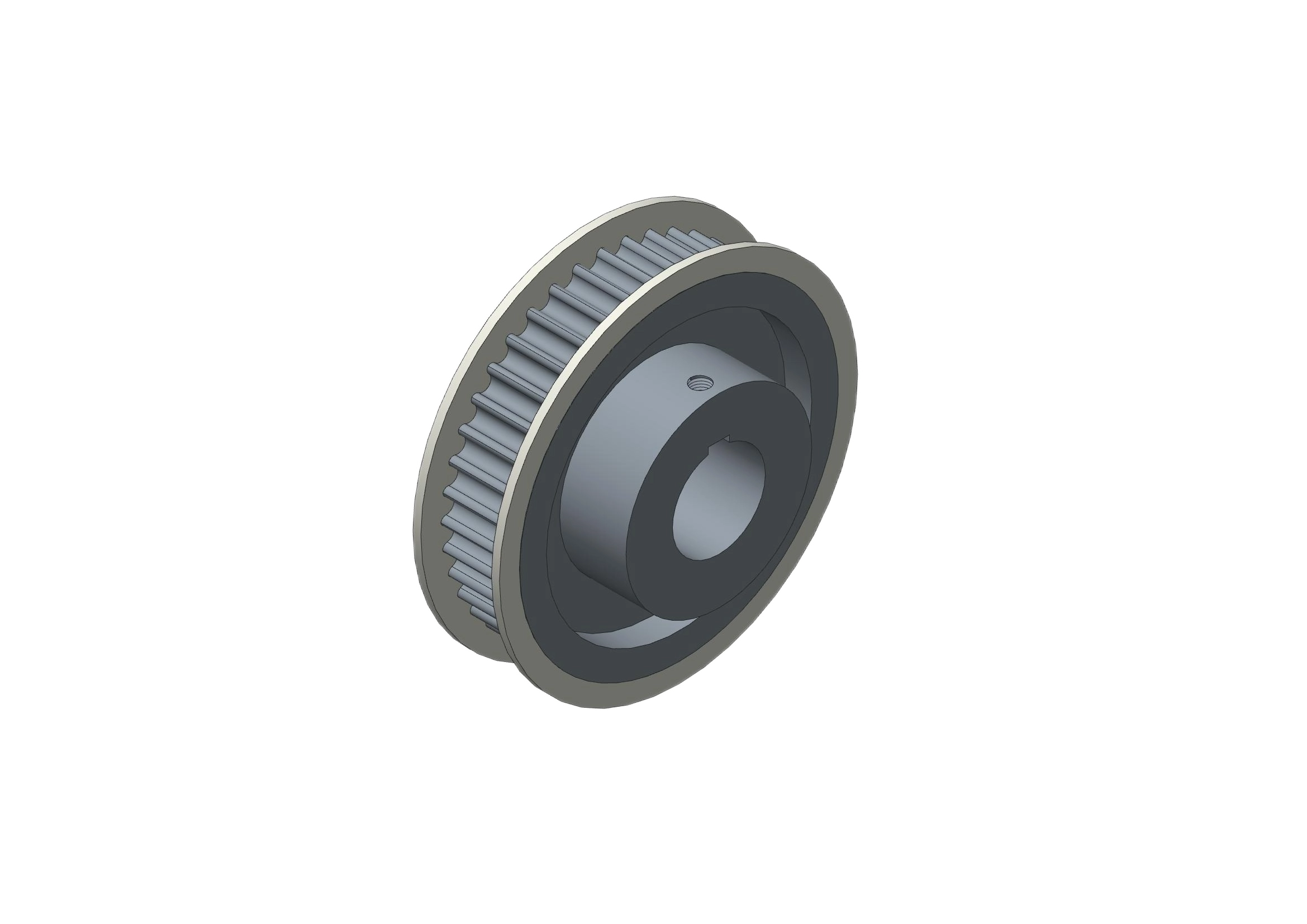
● Single-flange (One-sided retention)
● Double-flange (Full belt guidance)

.JPG)