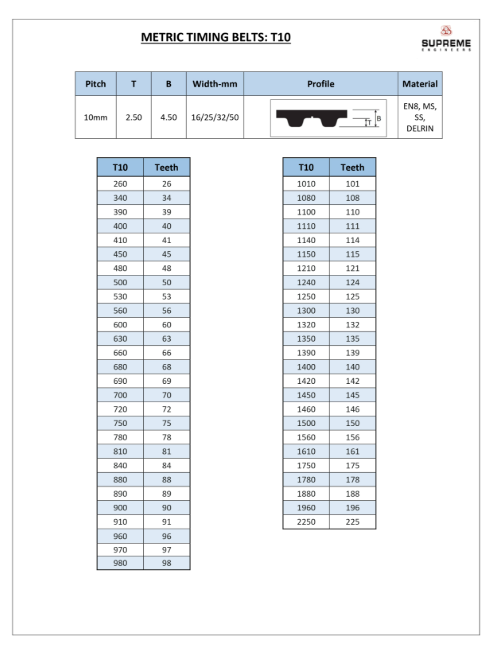
About
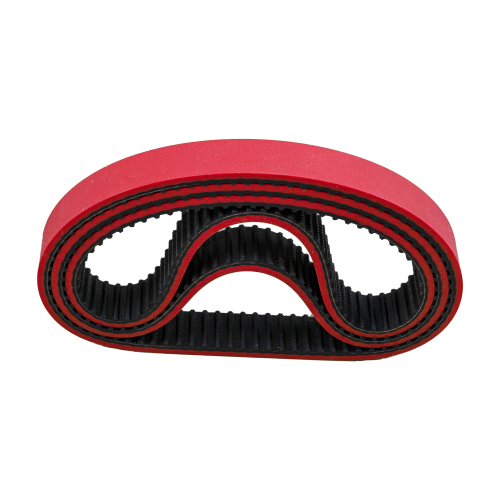
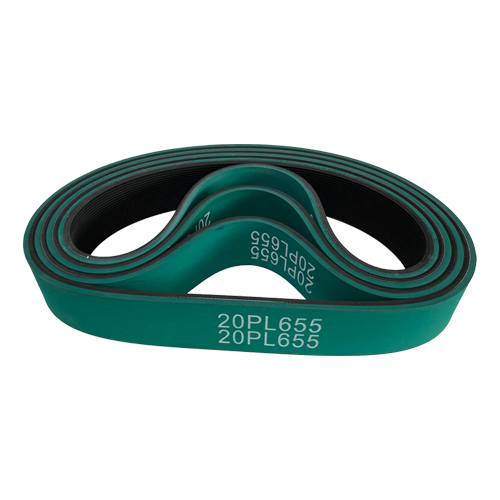
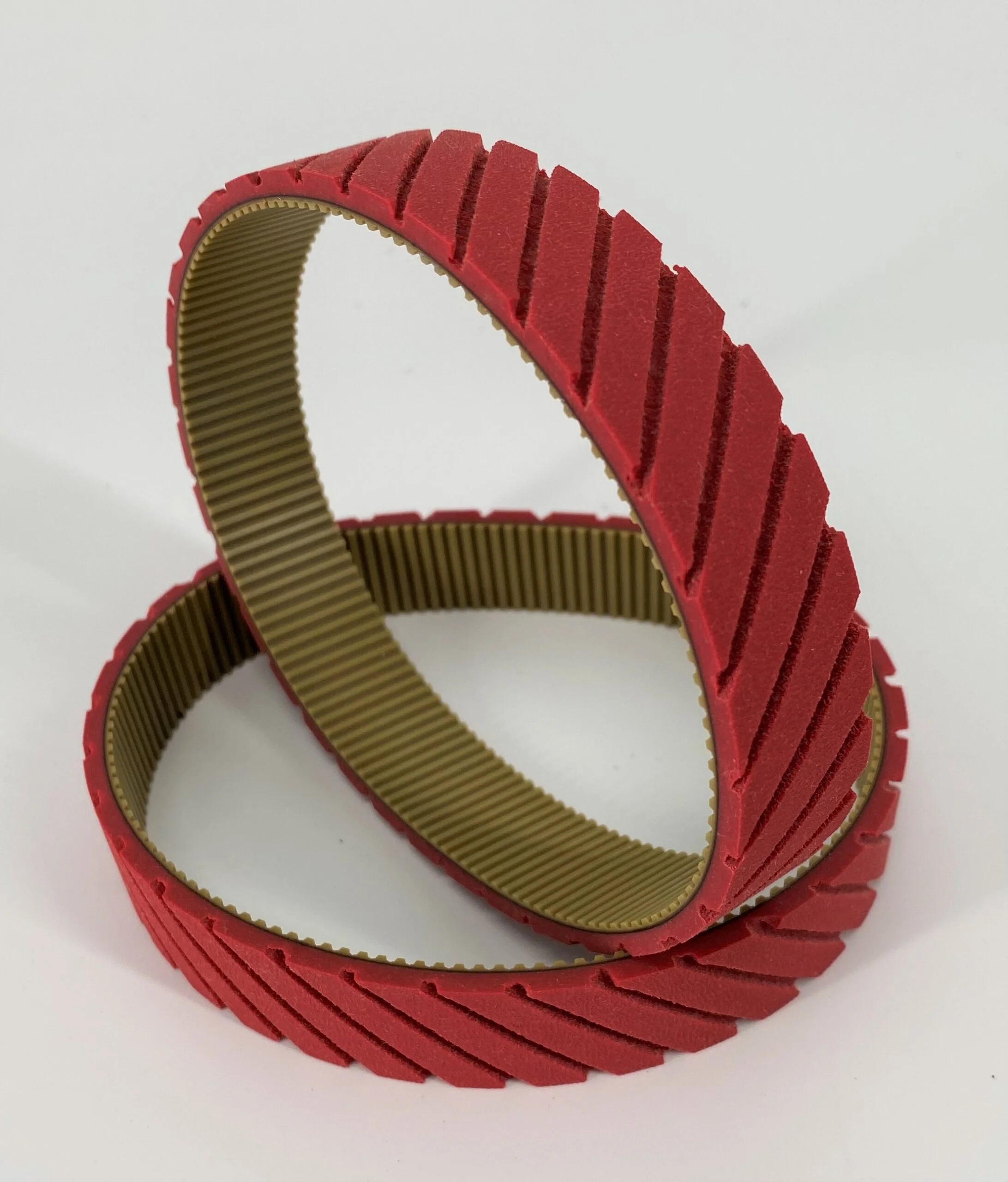
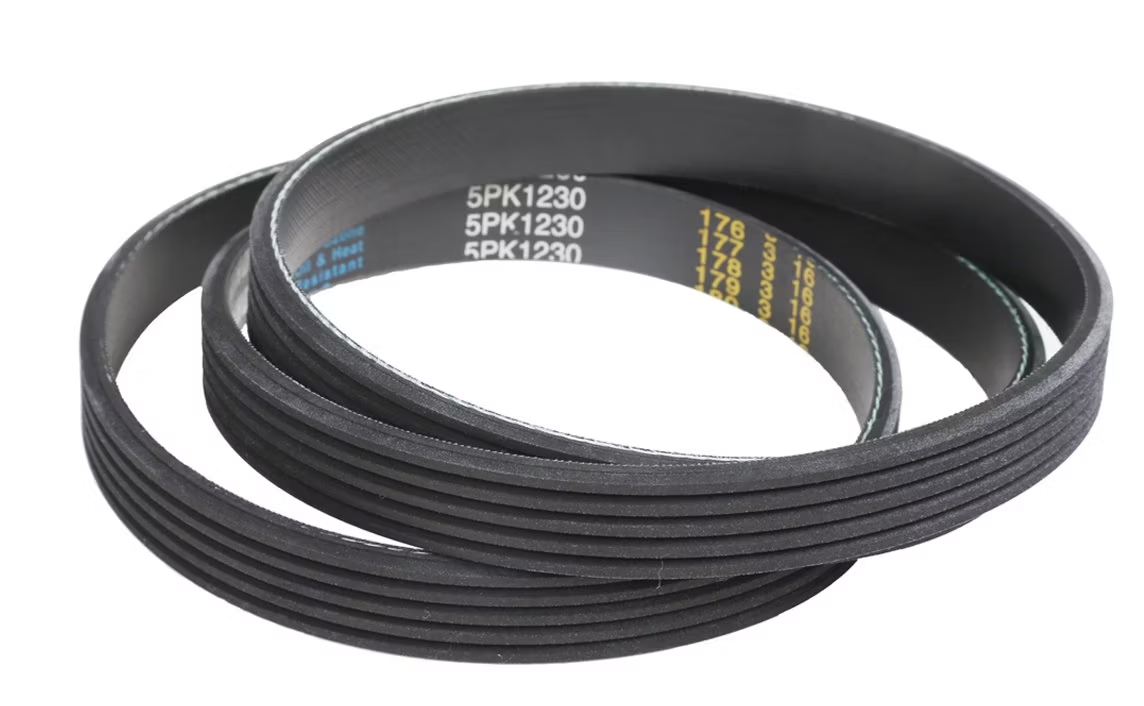
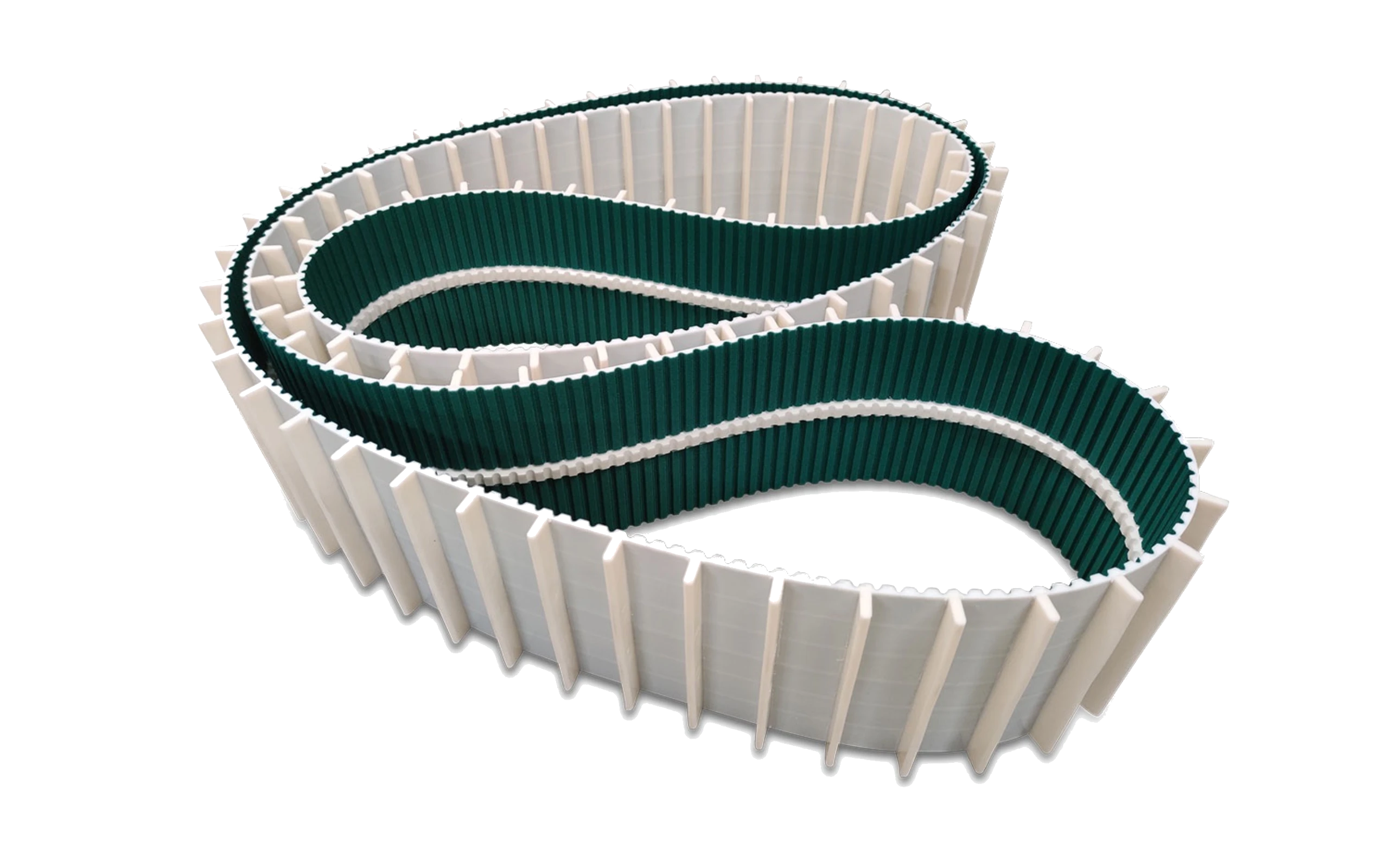
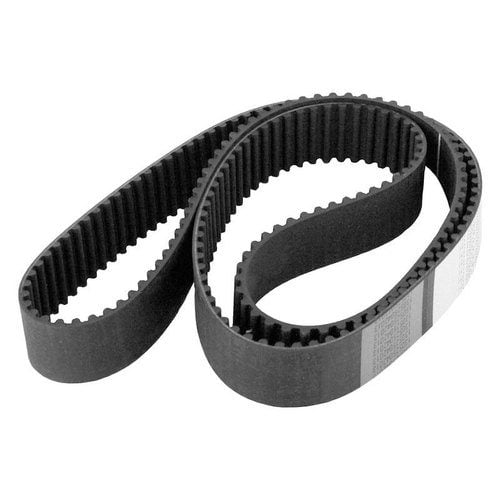
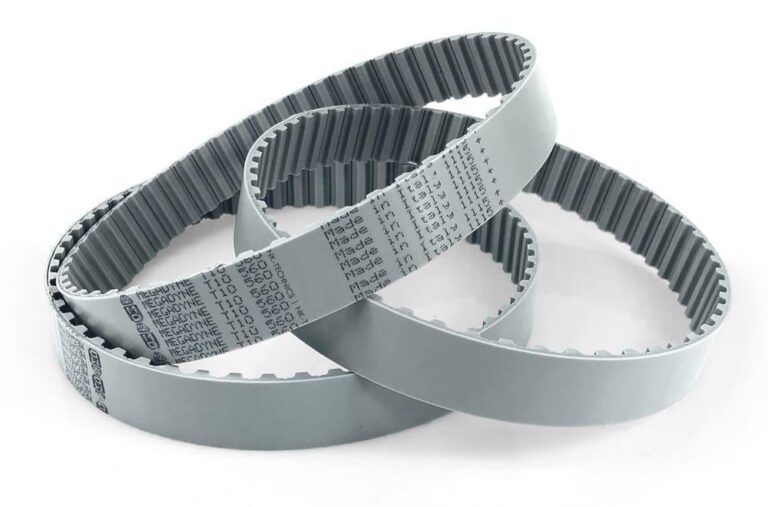
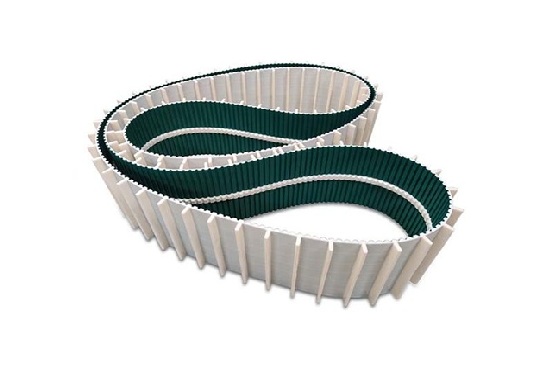
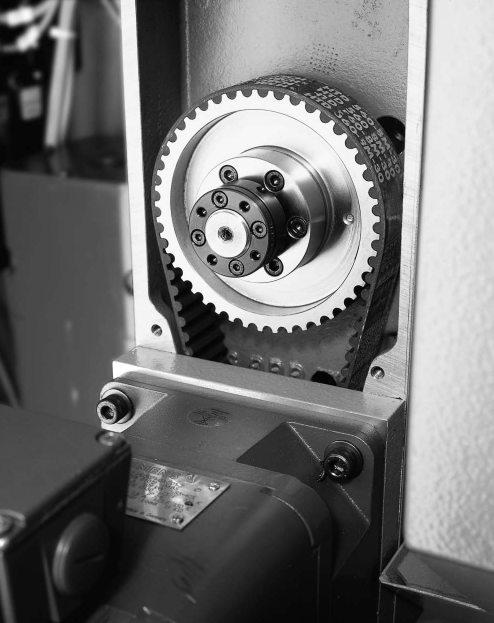
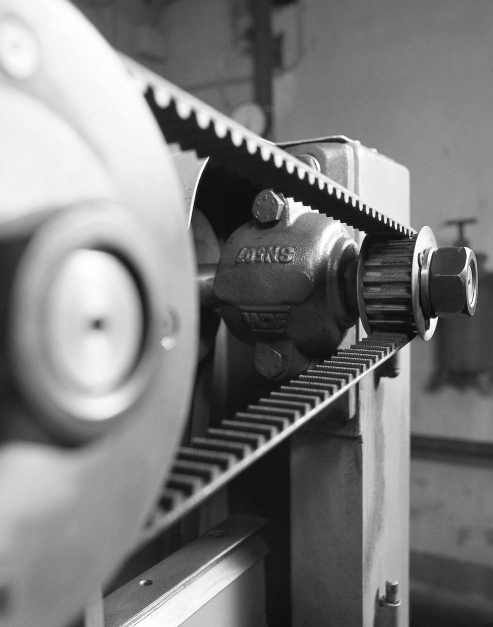
A timing belt is an essential component in many internal combustion engines. It's a reinforced rubber belt with teeth that synchronize the rotation of the engine's crankshaft and camshaft(s). This synchronization ensures that the engine's valves open and close at the correct times during each cylinder's intake and exhaust strokes.
1. Function : The timing belt controls the timing of the engine's valves. It keeps the crankshaft and camshaft(s) in sync, ensuring the engine runs smoothly and efficiently.
2. Material : Most timing belts are made of reinforced rubber with nylon threads or fiberglass cords for strength.
3. Maintenance : Timing belts need to be replaced periodically according to the manufacturer's recommendations. This is crucial because if a timing belt fails, it can cause serious engine damage due to the valves and pistons colliding.
4. Replacement Interval : Replacement intervals vary by vehicle but typically range from 60,000 to 100,000 miles or 5 to 7 years.
5. Symptoms of Wear : Signs that a timing belt may need replacement include squealing noises, visible wear, or difficulty starting the engine.
6. Interference Engines : Many modern engines are interference engines, where the valves and pistons occupy the same space at different times.
7. Professional Service : Replacing a timing belt is a complex procedure and usually requires skilled service.
Application
Timing belts are primarily used in internal combustion engines to synchronize the rotation of the crankshaft and camshaft(s). This synchronization is crucial for precise engine operation.
1. Automotive Engines
2. Motorcycles
3. Industrial Engines
4. Aircraft Engines
5. Other Applications
6. Advantages
7. Disadvantages
Advantages
Advantages :
Minimal noise & vibrations, precise motion with accurate timing, low maintenance & clean operation, constant velocity ratio, no slippage, high mechanical efficiency up to 98%, resistant to abrasion and rust.
Applications :
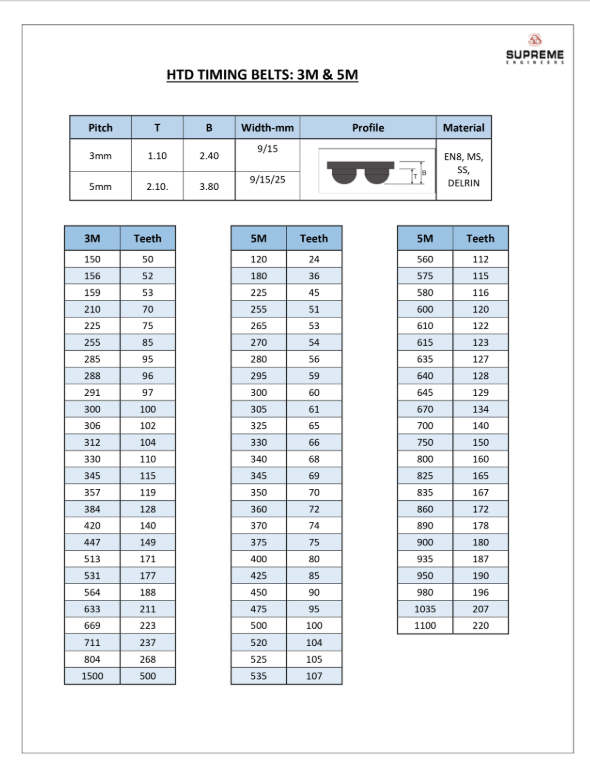
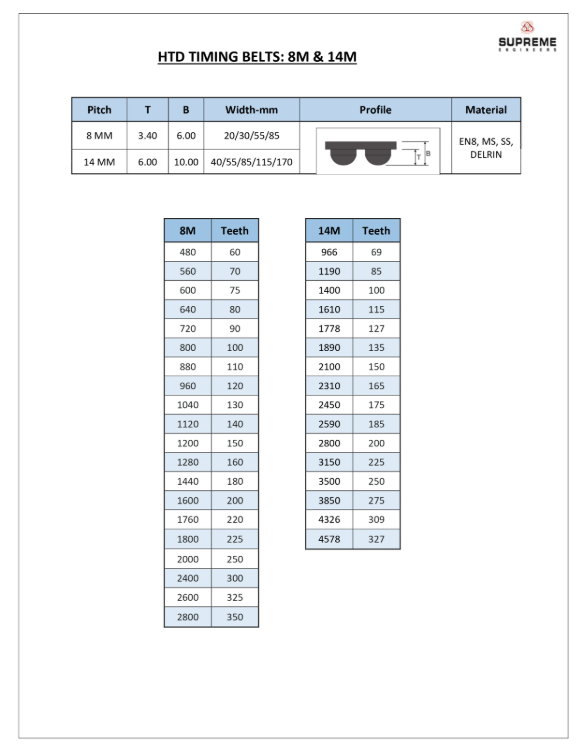
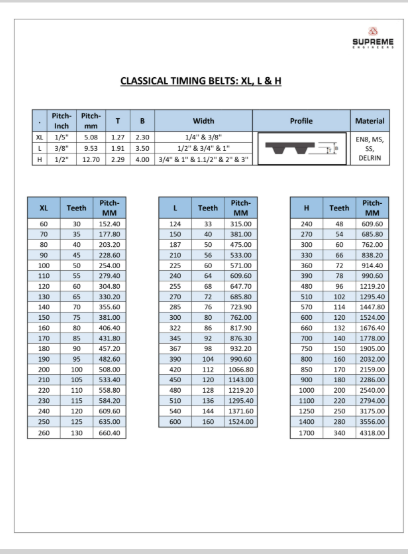
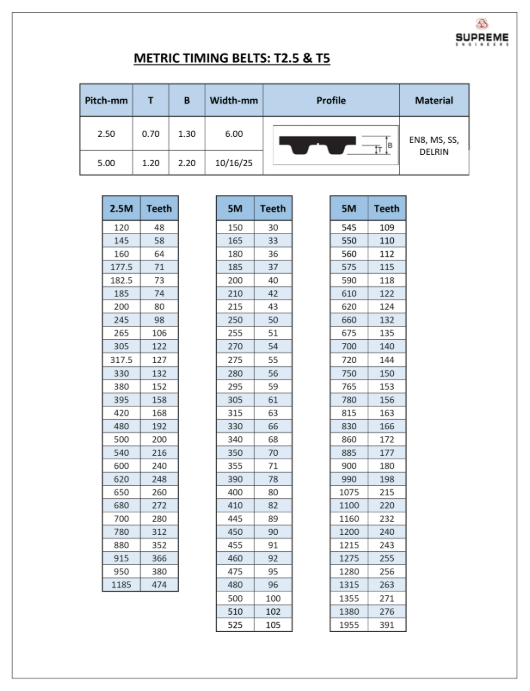
Automotive Engines, Elevators, Printers, CNC Machines, 3D printers, Textile Machinery, Medical Equipment, Packaging Machinery, Aerospace Applications, Robotics, etc.
Materials :
A timing belt is made from Rubber, Neoprene, Polyurethane, Fiberglass Reinforcement, Steel Reinforcement, Nylon Fabric, EPDM, Polyester, etc.
Low Noise & Vibration :
Supreme Engineers Timing Belts are engineered for smooth and quiet operation. They minimize noise and vibration.
High Quality Materials :
Crafted from top-quality materials, our Timing Belts are known for durability and resistance to wear and tear.
Wide Range of Options :
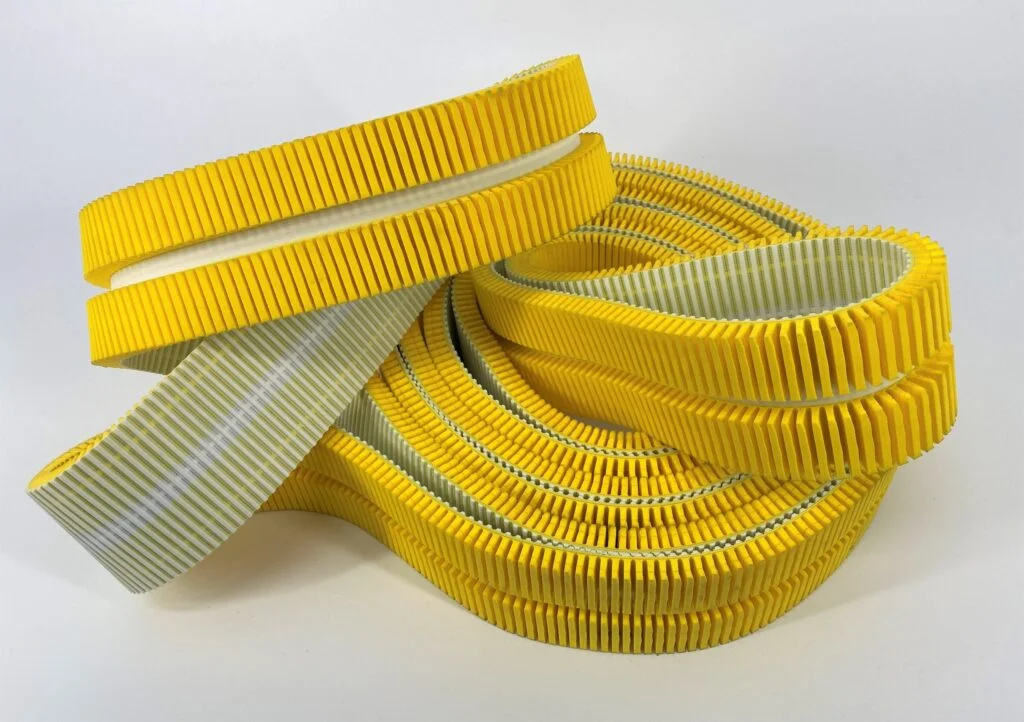
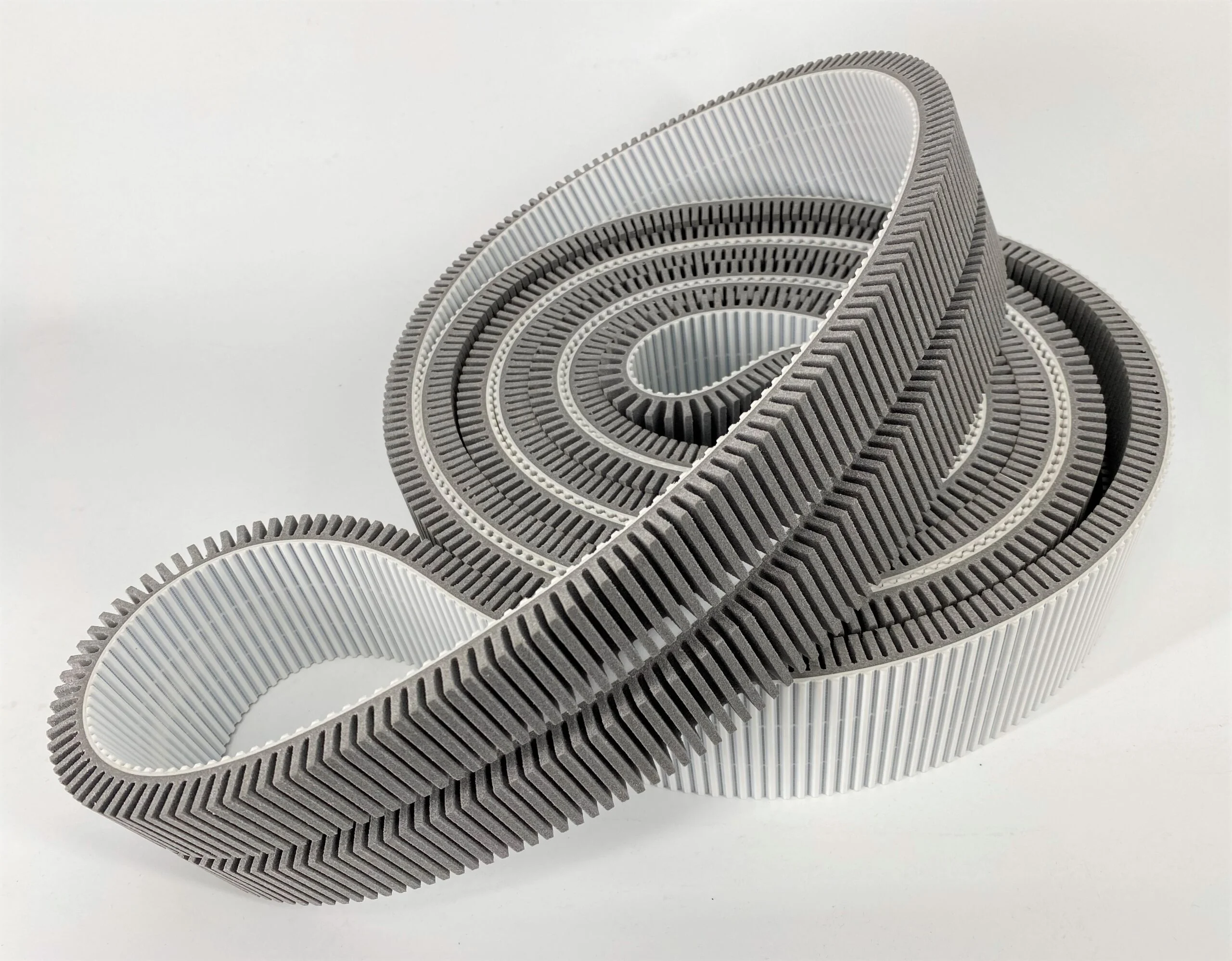
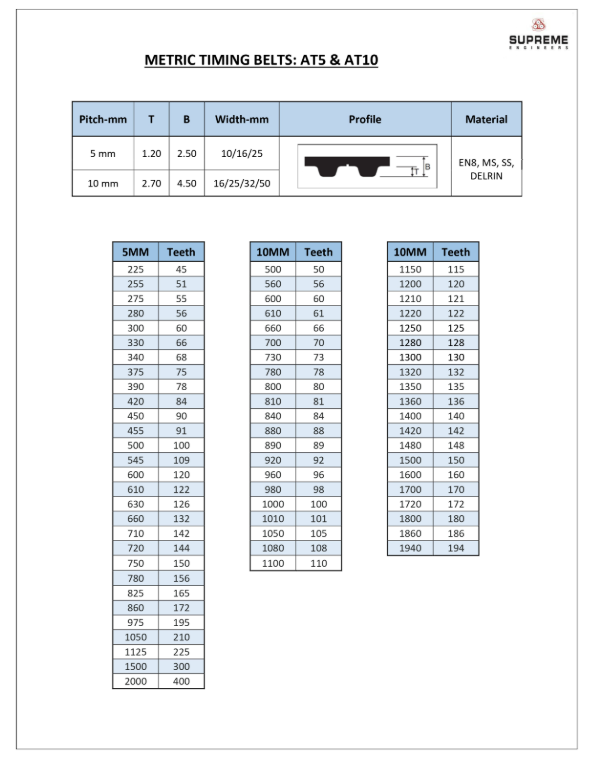
We offer a comprehensive range of Timing Belts, including different widths, profiles, and tooth configurations.
Precision Timing :
Our Timing Belts ensure precise timing and synchronization of mechanical systems.
Improved Efficiency :
By reducing slippage, our Timing Belts enhance machinery efficiency and productivity.
Reduced Maintenance :
Durable timing belts mean less downtime and lower maintenance costs.
Customization :
We offer customized Timing Belts to meet specific requirements.

.webp)
.webp)
.webp)
.png)