
Our Manufacturing Facilities
OUR MACHINE

ACE CNC TURNING CENTRE
- Turning Centre
- ACE Micrometric, India
- 250 * 400mm
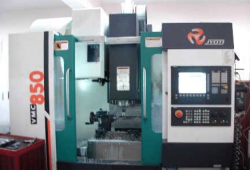
JYOTI VMC MACHINE
- Vertical Machine
- Jyoti CNC, India
- XYZ = 80 - 500 - 500
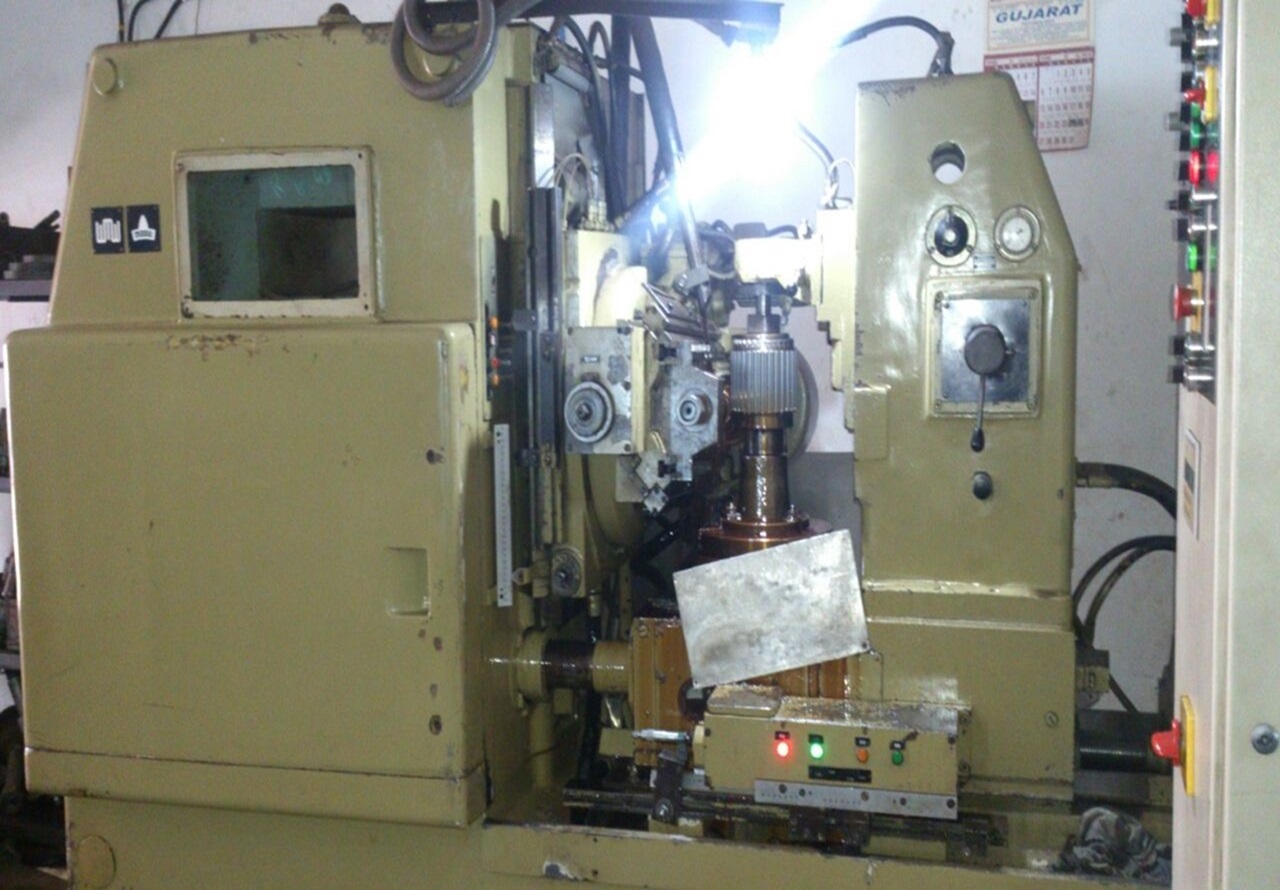
GEAR CUTTING
- Gear Hobbing
- WMW, Germany
- 400mm * 5 Module
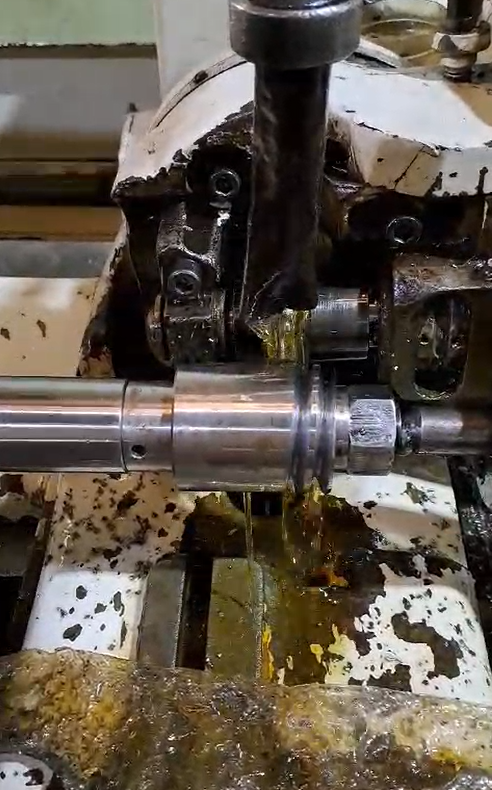
THREAD MILLING
- Thread Milling
- WMW, Germany
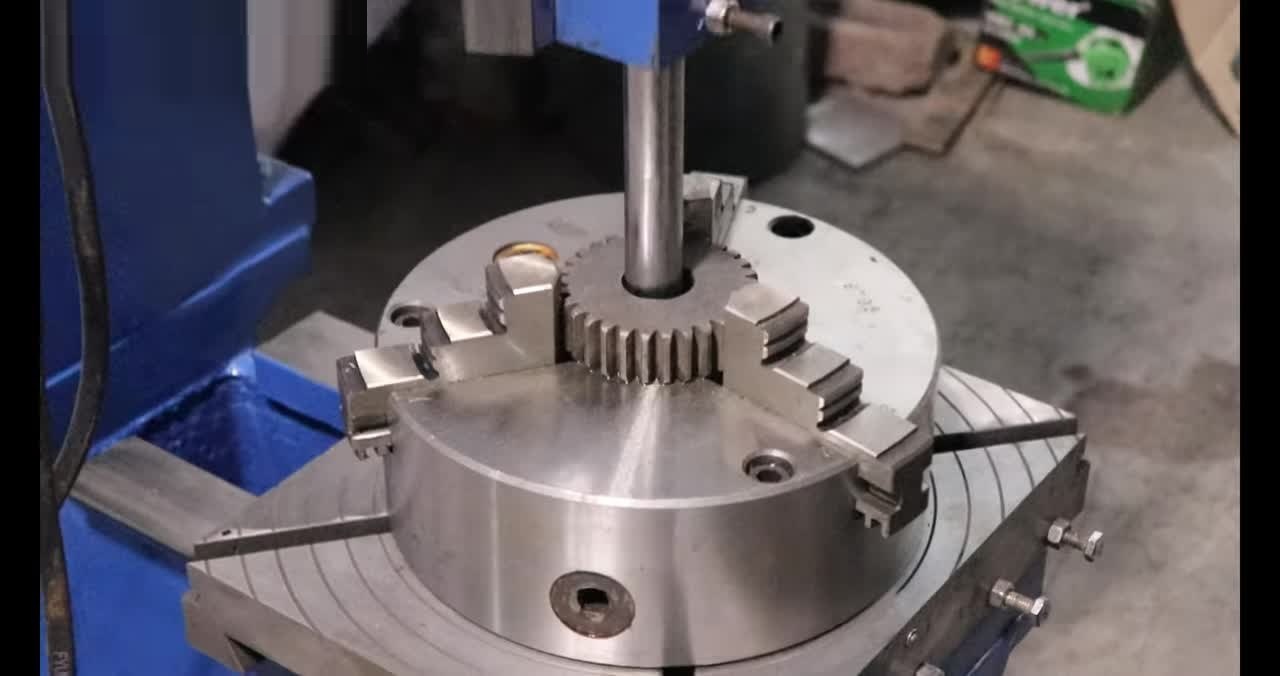
SLOTTING MACHINE 50MM
- Slotting Machine
- 150mm
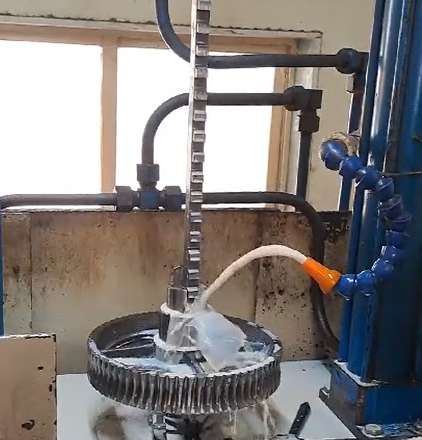
HYDRAULIC VERTICAL MACHINE
- Broaching Machine
- Keyway pull type
- 10 Ton capacity
MACHINING SERVICES
THREAD MILLING
KEYWAY MILLING
MILLING
BROACHING
CNC TURNING
DIBERING MACHINE
MEASURING INSTRUMENT
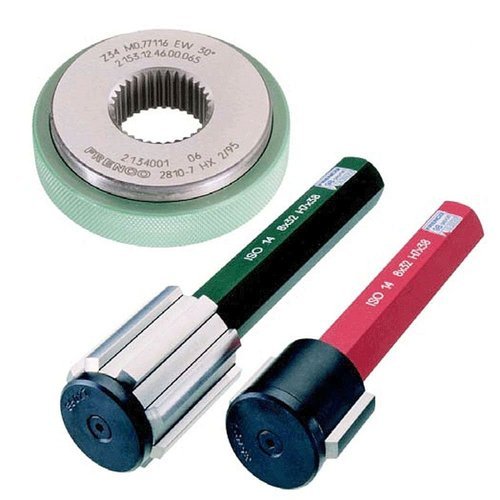
GAUGES
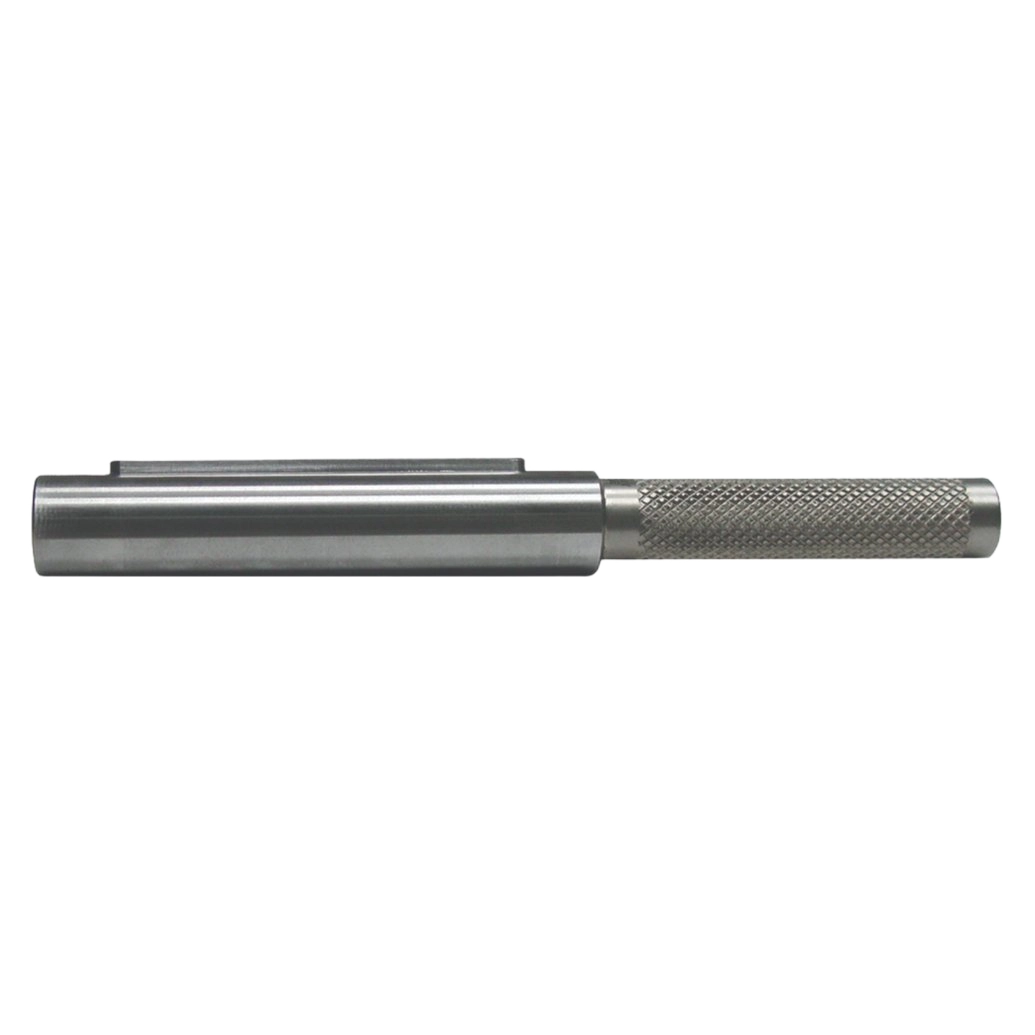
KEY WAY CHECKING GAUGE
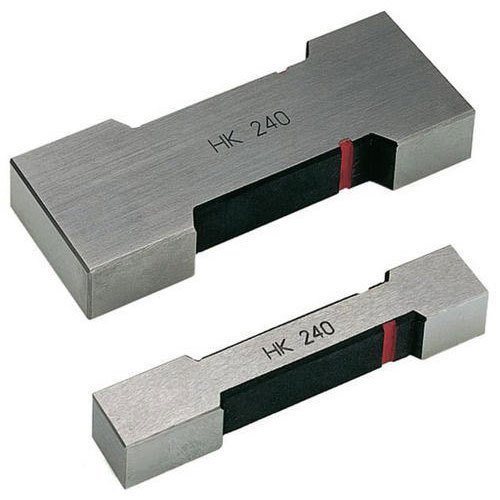
KEYWAY GAUGE
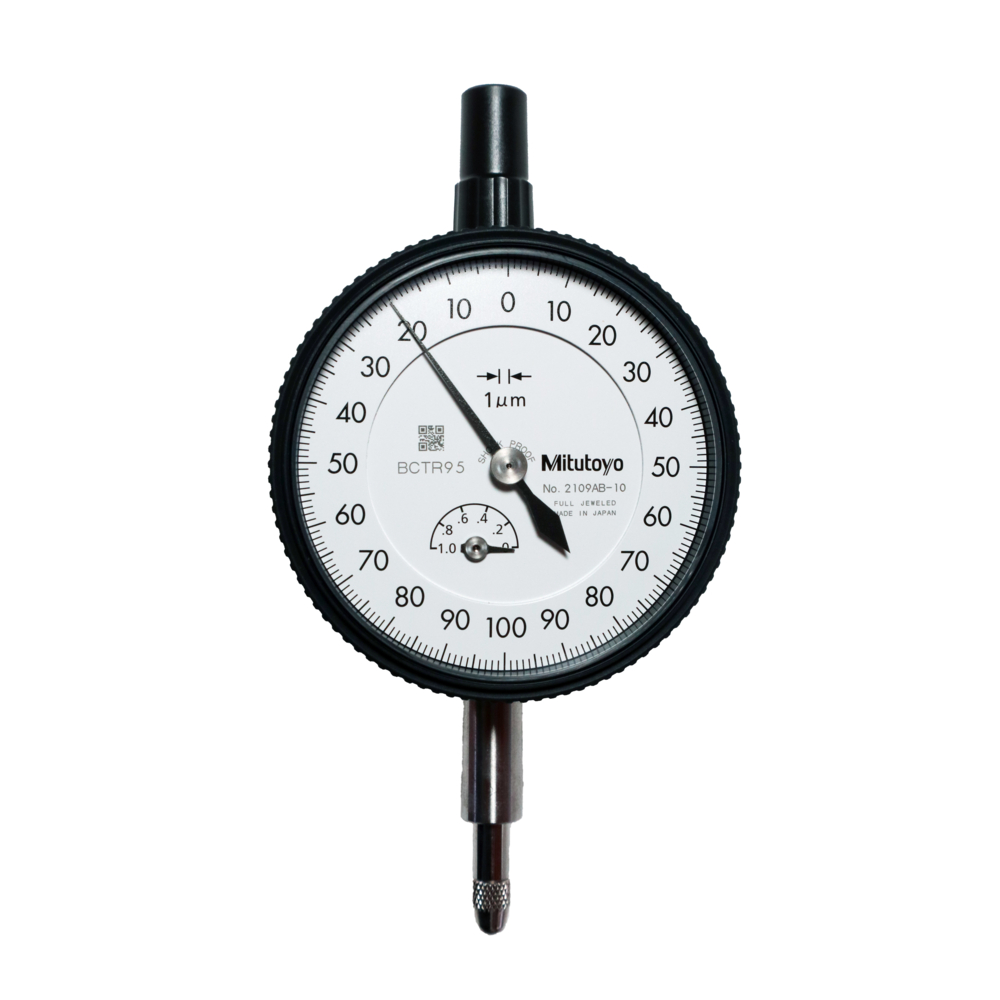
PLUNGER TYPE DIAL INDICATOR
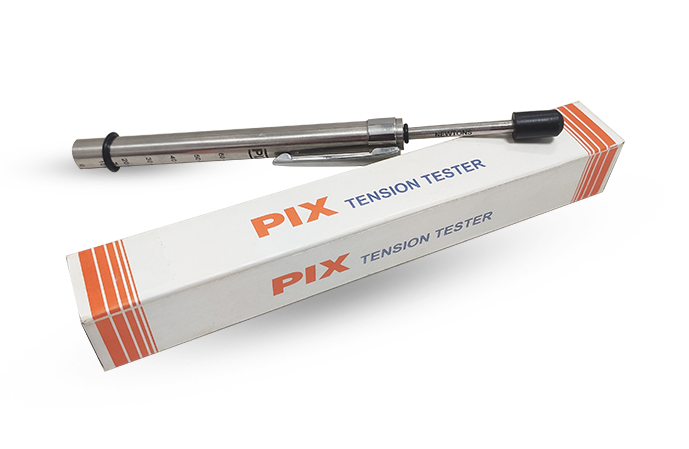
TESTER
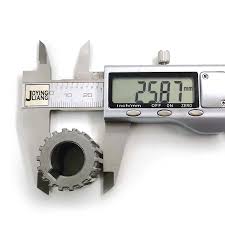
VERNIER
Supreme Engineers operates CNC and VMC machining facilities in Ahmedabad, Gujarat, built on more than 35 years of manufacturing experience. Our ISO-certified operation runs two units: Unit 1 for power transmission components and Unit 2 for orthopaedic implants and other complex, critical components. The notes below explain the machines we use, how the two units differ and why in-house machining matters when you buy precision parts.
CNC and VMC machining facilities: the machines we use
Our facilities use CNC turning machines, vertical machining centres (VMC) and gear-cutting machines. Together they let us produce precision parts, from shafts, bushes and pulleys to gears and racks, under one roof, without sending work to outside vendors for each operation.
CNC turning shapes a rotating workpiece with a cutting tool under computer control. It suits cylindrical parts such as pulley blanks, hubs, shafts, bushes and flanges, and it produces bores, grooves and threads with consistent accuracy. On a vertical machining centre, a rotating cutter shapes a stationary workpiece, which allows milling, drilling and tapping on flat faces, pockets, slots and keyways. VMC work completes parts that turning alone cannot finish, such as mounting holes, flats and keyway slots. Gear-cutting machines cut the teeth of gears, racks and sprockets to the profile you specify, and accurate tooth form is what gives smooth running, low noise and long life in a gear drive.
Unit 1 and Unit 2
Unit 1 manufactures power transmission components: timing pulleys, universal joints, keyless clampex, gears and sprockets, rack and pinion sets, couplings and customised components. It produces our standard ranges as well as custom parts made to your drawing or sample. Unit 2 manufactures orthopaedic implants and similar complex, critical components for other industries, so if your requirement is complex or critical, discuss any regulatory, material or traceability needs when you enquire.
Running two units lets each focus on its own type of work. Both rely on the same core capability, precision machining, and on working carefully to the drawing and specification supplied by the customer.
Why in-house machining matters to buyers
In-house machining keeps manufacturing steps under one management, which helps with lead time, consistency and communication. When turning, milling and gear cutting happen in the same facility, design changes are easier to handle and fewer hand-offs mean fewer chances for error.
For a buyer, this shows up in practical ways. You deal with one team about your drawing instead of several. Questions about tolerance or material reach the people who run the machines. Small changes between batches can be handled directly, and repeat orders can follow the same method each time. Our custom components page describes how an enquiry moves through production.
From drawing to finished part
A part starts as a drawing or sample. Our team reviews it and plans the sequence of operations. A typical sequence is material selection, turning, milling or gear cutting where needed, deburring and any surface treatment, followed by inspection against the drawing. Planning the sequence carefully reduces setups and keeps related features, such as a bore and its mounting face, in a consistent relationship. Parts are then packed to protect finished surfaces in transit. Because the main operations happen in the same facility, changes to the drawing can be reflected quickly. You can send either a dimensioned drawing or a sample part with measurements, and our team will review whichever you have.
Machines and industries these facilities support
Machined components from CNC turning, VMC and gear cutting end up in many kinds of equipment, including packaging machinery, textile machinery, printing machines, conveyors, automation and CNC machine tools. Our own product ranges serve these sectors, and our custom work can follow the drawing of any machine builder who needs a precision part.
Materials and finishes
Our power transmission parts are commonly made in aluminium and steel, and surface treatments can be specified where the application needs them. Material and finish are chosen to suit load, wear and environment, and our team can advise when you describe how the part will be used. Aluminium suits lighter pulleys where low inertia and weight matter, while steel suits higher loads, harder wear and shock. Special executions and surface treatments for universal joints are covered on our tolerances and surface treatments page. If you need a specific grade or standard, state it in your enquiry.
Quality and inspection
As an ISO-certified manufacturer, we work within a documented quality system. Parts are made to the drawing and tolerances you give us, and buyers are welcome to state their inspection requirements, such as dimensional reports or certificates, when they place an enquiry. Precision parts only perform when they match the drawing, and typical checks cover bore and outside diameters, tooth count and form, length, flatness and surface finish, using gauges and instruments suited to the tolerance.
Tolerance capability depends on the feature, material and size, so state the tolerance you need on your drawing and tell us at the start which characteristics are critical. Our team will confirm whether the tolerance can be held and how it will be checked, and the critical characteristics can then be planned into production.
Discussing your requirement before ordering
Contact us with your drawing, sample or application details, and our team will review capability, suggest suitable materials and tolerances, and quote. If you need to understand our manufacturing capability before placing an order, ask when you get in touch. Our facilities are in Ahmedabad, Gujarat, India, and enquiry details are on our contact page.
To discuss a part, a quantity or a capability question, contact Supreme Engineers in Ahmedabad. Send a drawing or sample and our team will respond with advice and a quotation. Include the material, quantity and any tolerance or finish requirement so that the first reply can be specific.