
Universal joint applications cover almost every industry that moves power between shafts that are not perfectly in line. Supreme Engineers, an Ahmedabad-based manufacturer with more than 35 years of experience, makes universal joints for machine tools, packaging and processing equipment, conveyors and printing machinery. The notes below show where universal joints are used, how single and double joints differ, and how to choose and maintain the right one.
Universal joints transmit rotation between two shafts that meet at an angle or whose alignment changes during operation. They let designers place a motor and a driven part where space or movement requires, instead of forcing the two shafts into a perfectly straight line. A universal joint is a simple idea: two yokes connected by a cross or pin arrangement that lets one shaft pivot relative to the other while still carrying torque. This flexibility makes it valuable wherever drives must bend around obstacles, adjust in use or tolerate installation error.
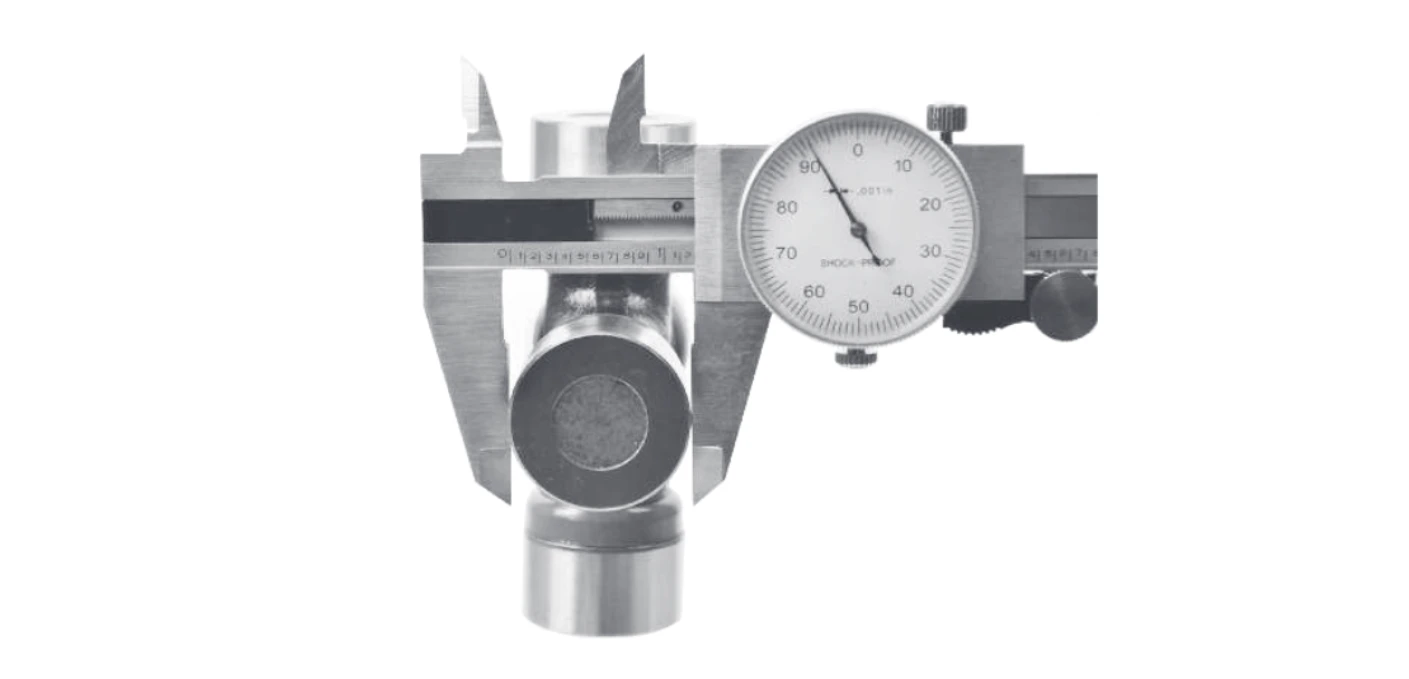
In machine tools, universal joints connect shafts that cannot be aligned in a straight line, such as drives to feed mechanisms and adjusting linkages. They allow compact layouts and let operators control mechanisms placed away from the shaft they drive. In these roles precision matters, because play in a joint shows up as backlash at the point being moved. This is why fits and tolerances are important, as described on our tolerances and surface treatments page.
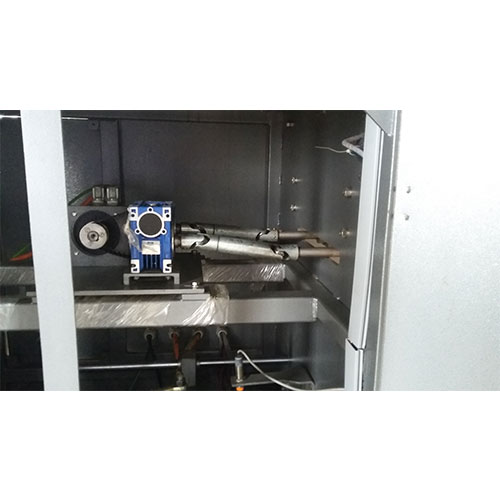
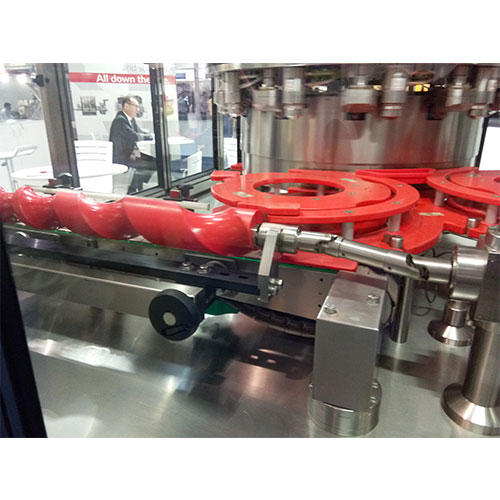
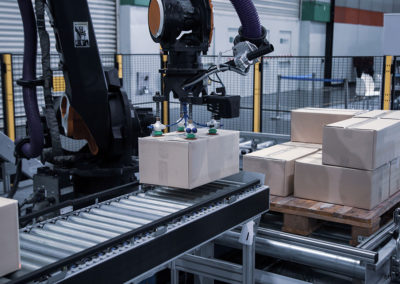
In packaging and processing machines, universal joints carry drive between stations that are offset from each other, such as a main gearbox and a filling, wrapping or labelling unit. They cope with the continuous, repetitive motion of production lines and allow layouts that would otherwise need extra gears or belts.
These machines run for long hours, so durable joints with correct lubrication and alignment give the best service life. Where hygiene or washdown matters, the choice of material and surface treatment becomes important, which is why Supreme Engineers offers special executions and surface treatments for universal joints.
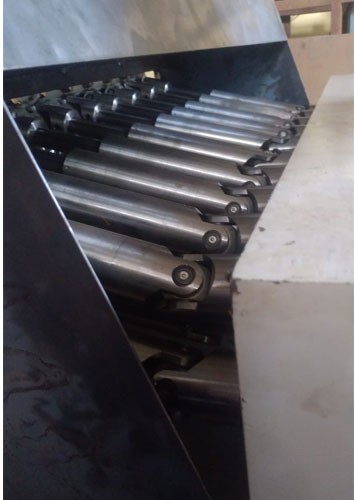
Conveyors and material-handling systems use universal joints to transmit power along roller sections and between drive units and rollers that are slightly misaligned. A joint absorbs the small angular errors common in long runs and keeps the drive turning smoothly. Long conveyor frames flex, settle and vary with temperature, and rollers are seldom perfectly in line. Joints tolerate this movement without passing damaging loads into bearings. On roller conveyors, using joints can also simplify installation and make later adjustment easier.
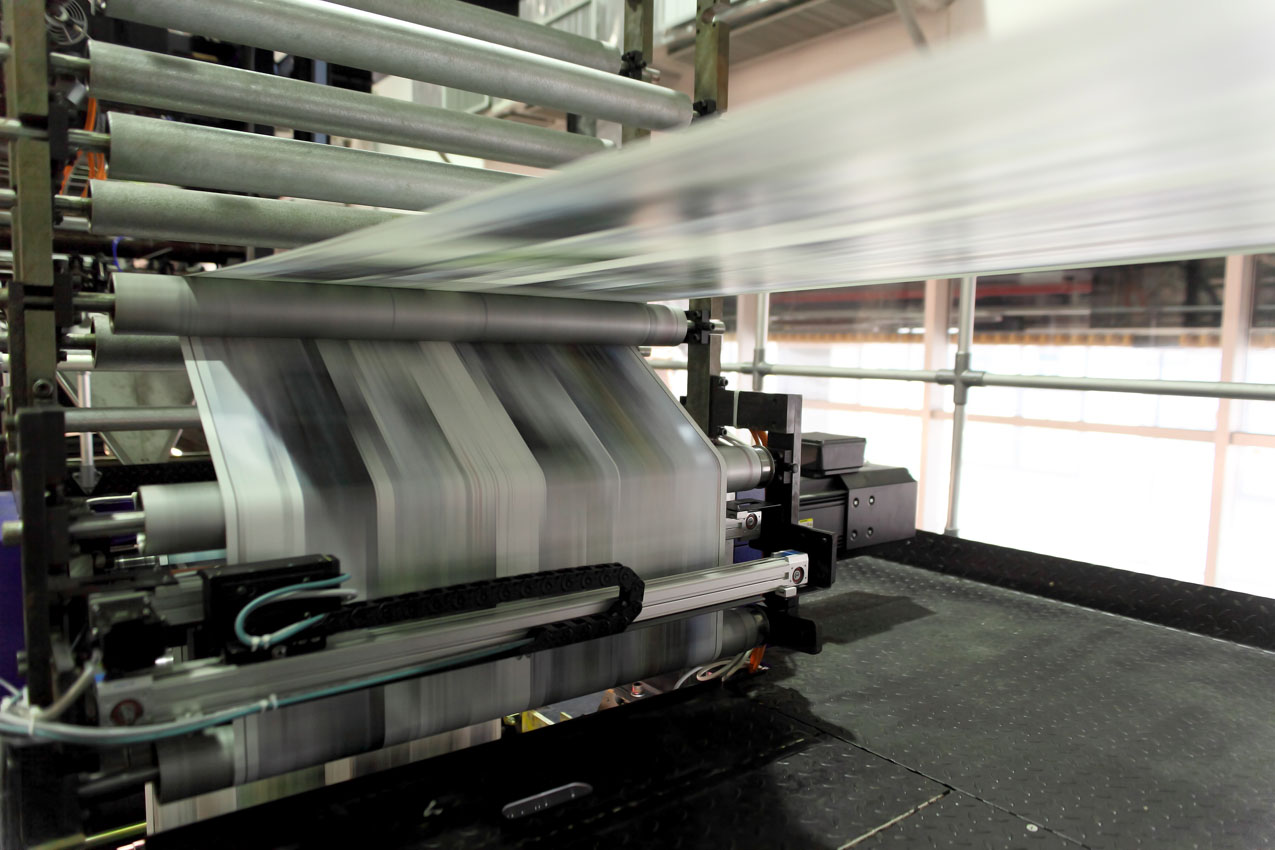
Other uses include printing machinery, textile equipment, agricultural and construction machinery, test rigs, control linkages and many custom-built machines. Anywhere that two shafts meet at an angle, a universal joint is a candidate for the connection. If your application is unusual, our team can help decide whether a standard joint works or whether a custom design is needed, and you can send your drawing, bore sizes, length and torque details so that we can review and quote, since we manufacture a variety of custom-made products. Read more on our custom components page.
Use a single joint when the angle is small and a slight speed variation is acceptable. Use a double joint, or two single joints arranged in phase, when the angle is larger or when smooth, uniform output speed matters. A double joint also copes better with offset between shafts.
A single joint running at an angle produces an output speed that rises and falls twice in every turn. The larger the angle, the greater the variation, and the greater the load on bearings and joints. Two joints in the same plane, with equal angles and yokes in phase, cancel the variation. Keeping the angle as small as practical always improves life.
The angle a universal joint can work at depends on the joint design and the duty. Performance and life fall as the angle increases, so keep the angle as small as practical and use a double joint for larger angles. Speed limits depend on the joint size, angle and balance, so give us the operating speed and working angle, and our team will advise whether a standard joint suits or a specially made one is needed. Joints tolerate angular misalignment by design, but excessive angle, poor phasing and loose fits shorten life, so install them with correct phasing and secure fixings.
Choose by torque, speed, working angle, bore size and space, and add a safety margin for shock and starting loads. Maintain by keeping the angle low, checking for play or noise, and lubricating where the design requires. Our selection and maintenance guide explains each step.
Check the bore and keyway against the shaft, confirm the overall length fits the available space, and select a material and surface treatment for the environment. In service, inspect joints regularly. Worn joints show play, noise or heat, and should be replaced before they damage shafts or bearings.
Common causes of early failure are an angle larger than the joint is designed for, double-joint arrangements with the yokes out of phase, too little lubrication where the design needs it, shock or overload beyond the rating, loose fixings and contamination from dirt or moisture. Most of these are avoidable at the selection and installation stage. Check the rating against real starting and peak loads, keep the working angle low, and inspect the joint on a regular schedule.
For technical details, visit our universal joints page for the range, the tolerances and surface treatments page for fits and finishes, and the selection and maintenance guide for sizing. Tell us about your machine, shaft sizes and working angle, and our team in Ahmedabad will recommend a suitable universal joint or quote a custom one. Include the bore sizes, shaft layout and working angle so that the first reply can be specific.