Gears & Couplings

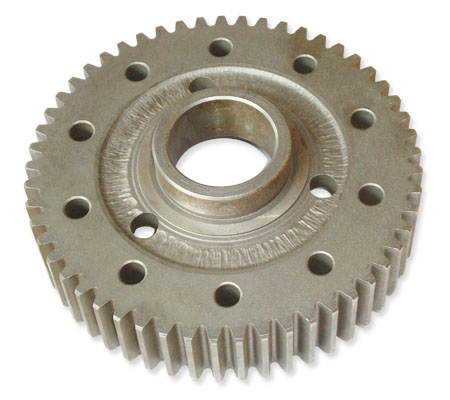
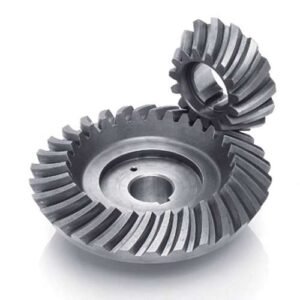
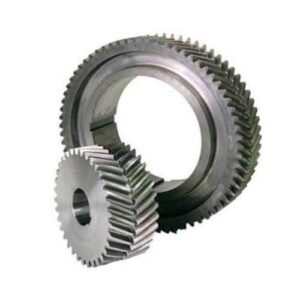
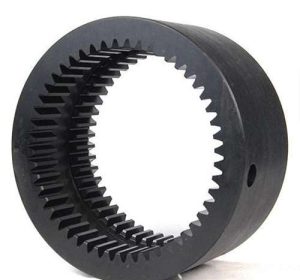
Supreme Engineers offers a combined range of precision gears and industrial couplings for motion transfer, torque transmission, alignment support, and mechanical drive applications. The live Gears page highlights bevel, spur, helical, spiral bevel, worm, herringbone, internal, hypoid, and screw gears, while the Couplings page highlights encoder, chain disc-o, bush type flexible, gear, chain, nylon sleeve, tyre, jaw, and grid couplings.

The source pages position these products for industrial machinery, automation, power transmission systems, motion control assemblies, and heavy-duty mechanical applications, with support for non-standard and tailor-made requirements in small quantities and short lead times.
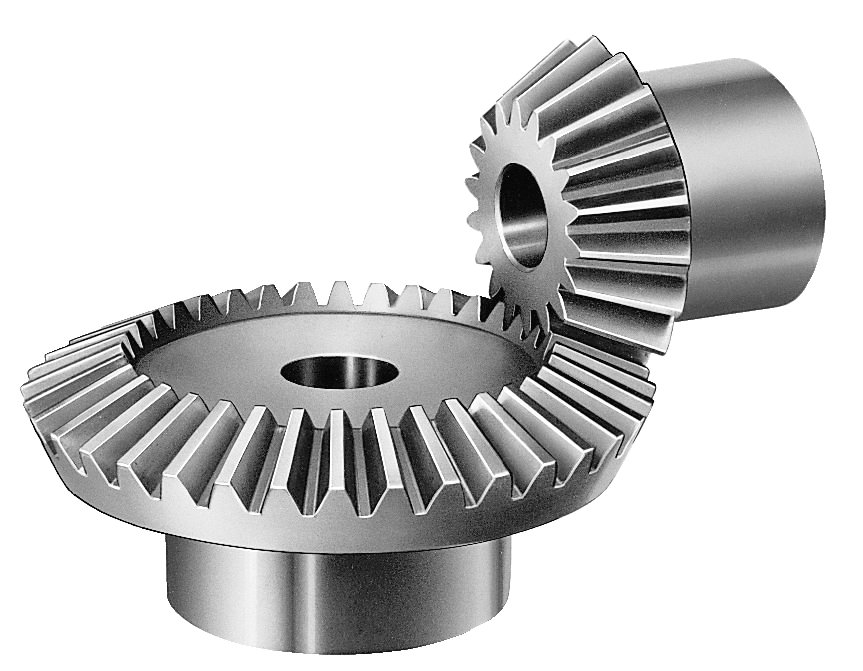
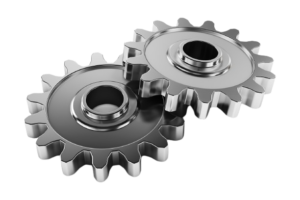
Bevel / Spur / Helical Jaw / Gear / Chain Custom Engineering

Types of Gears

  • Bevel Gear
  • Spur Gear
  • Helical Gear
  • Spiral Bevel Gear
  • Worm Gear
  • Herringbone Gear
  • Internal Gear
  • Hypoid Gear
  • Screw Gear

Types of Couplings

  • Encoder Coupling
  • Chain Disc-O-Coupling
  • Bush Type Flexible Coupling
  • Gear Coupling
  • Chain Coupling
  • Nylon Sleeve Coupling
  • Tyre Coupling
  • Jaw Coupling
  • Grid Coupling

About Gears

The live Gears page explains that gears transmit motion and power between rotating shafts and are essential for power transmission, speed reduction or increase, and change of motion direction. It also distinguishes gear types by shaft relationship such as parallel shafts, intersecting shafts, and non-intersecting shafts.

About Couplings

The live Couplings page describes couplings as mechanical devices used to connect two shafts together to transmit torque and rotational motion. It also breaks couplings into rigid and flexible categories, including jaw, disc, bellows, Oldham, gear, worm gear, and chain coupling concepts.

Applications

  • Automotive systems
  • Textile machinery
  • Aerospace applications
  • Printing equipment
  • Medical equipment
  • Robotics and automation
  • Construction and mining machinery
  • Marine applications
  • Power generation systems
  • Custom industrial equipment

Functional Use Cases

  • Power transmission between rotating shafts
  • Speed and torque adjustment through gear ratios
  • Compensation for shaft misalignment using couplings
  • Vibration damping and motion control
  • Servo motor and ball screw motion systems
  • Conveyor drive and roller transmission systems

Advantages of Gears

  • Speed and torque adjustment
  • Efficient power transmission
  • Directional control of motion
  • Compact and precise design possibilities
  • Reliable and durable performance
  • Versatility across many mechanical systems

Advantages of Couplings

  • Improved shaft alignment support
  • Reduced stress concentration on components
  • Higher torque handling in suitable systems
  • Lower maintenance needs in many applications
  • Easier assembly, removal, and reconfiguration
  • Better reliability in rotating connections

Key Specifications for Gears

  • Module (m)
  • Diametral Pitch (DP)
  • Pitch Diameter
  • Number of Teeth
  • Pressure Angle
  • Gear Ratio
  • Face Width
  • Backlash
  • Helix Angle
  • Tooth Profile
  • Material and Hardness

Key Specifications for Couplings

  • Shaft interface definition
  • Misalignment handling requirement
  • Torque transmission need
  • Dependency on mounting accuracy
  • Communication between connected components
  • Maintenance and inspection suitability
  • Installation and operational behavior

Support & Enquiry

  • Share gear type, coupling type, shaft size, torque and application details.
  • Custom engineering support is available for non-standard requirements.
  • Small-quantity and tailor-made production can be discussed.
  • Request a quote from the homepage enquiry form.

Why This Combined Page Makes Sense

  • Both products serve the same motion and power transmission ecosystem.
  • Customers often evaluate gears and couplings together in machine design.
  • A shared page reduces duplication while keeping related products grouped.
  • It fits your current site structure better than maintaining thin separate pages.

Frequently Asked Questions